
COMING SOON Awaiting UAE License
PRODUCTS SOLD ON PEPTIDESLABUAE.COM ARE FOR RESEARCH PURPOSES ONLY AND ARE NOT FOR HUMAN OR VETERINARY USE.
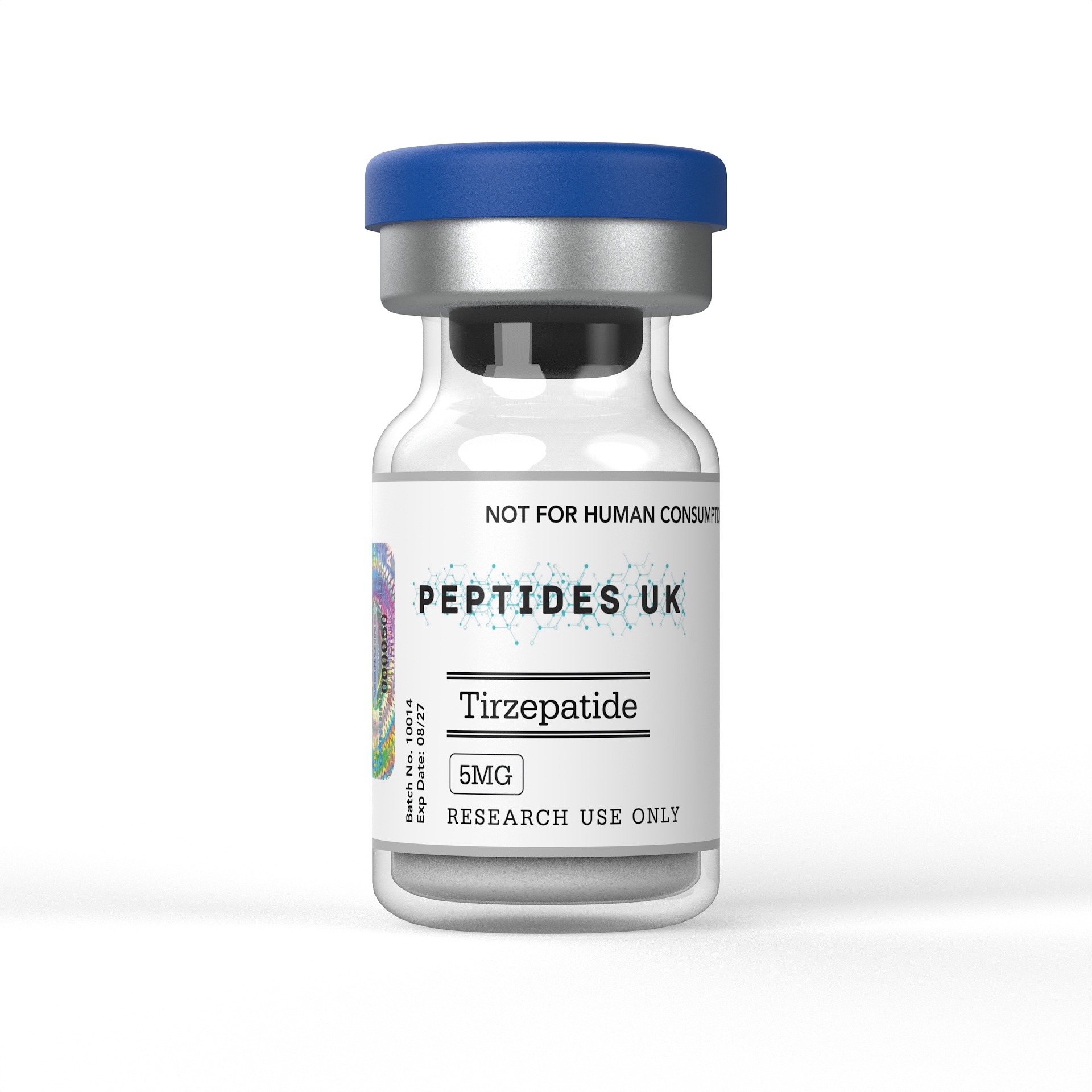
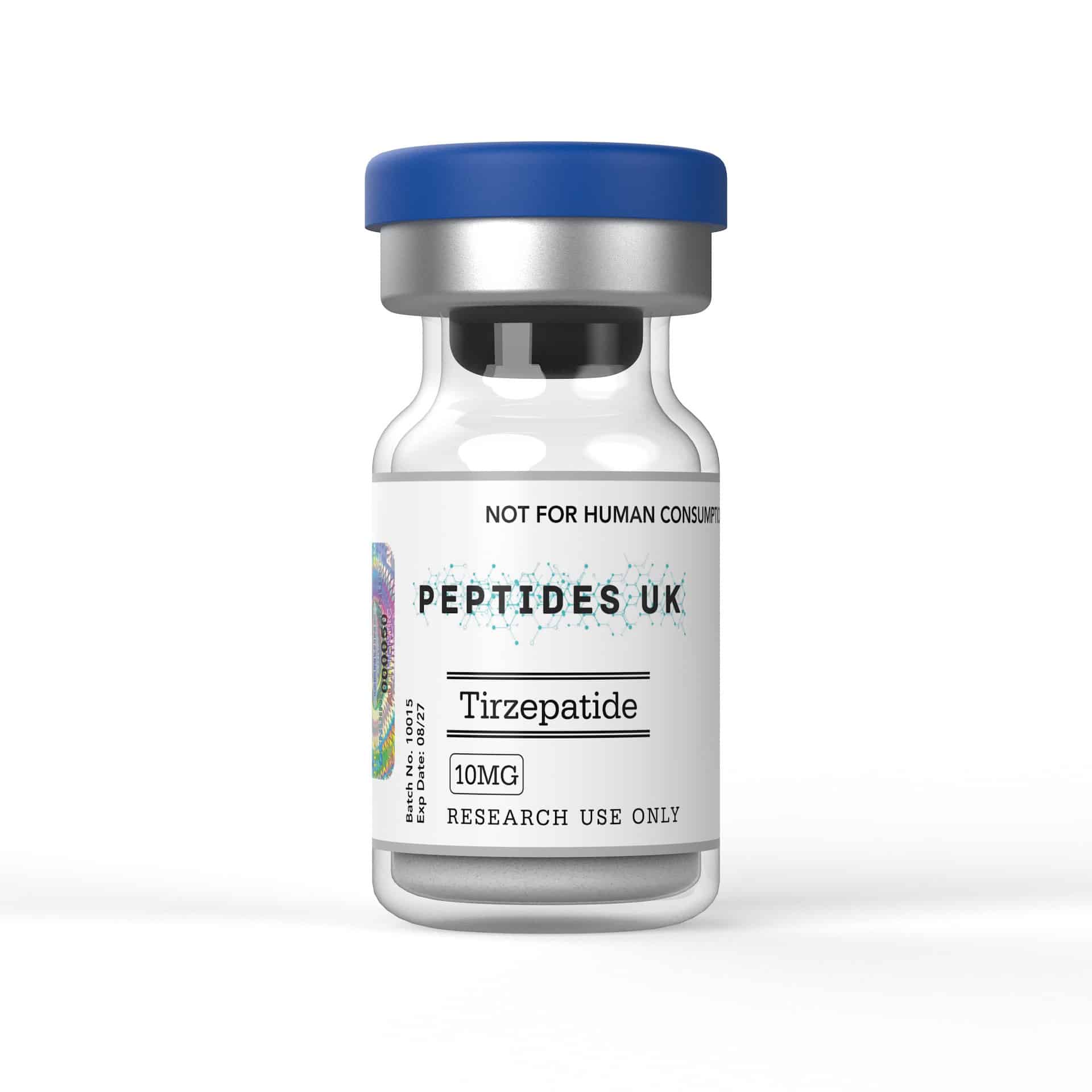
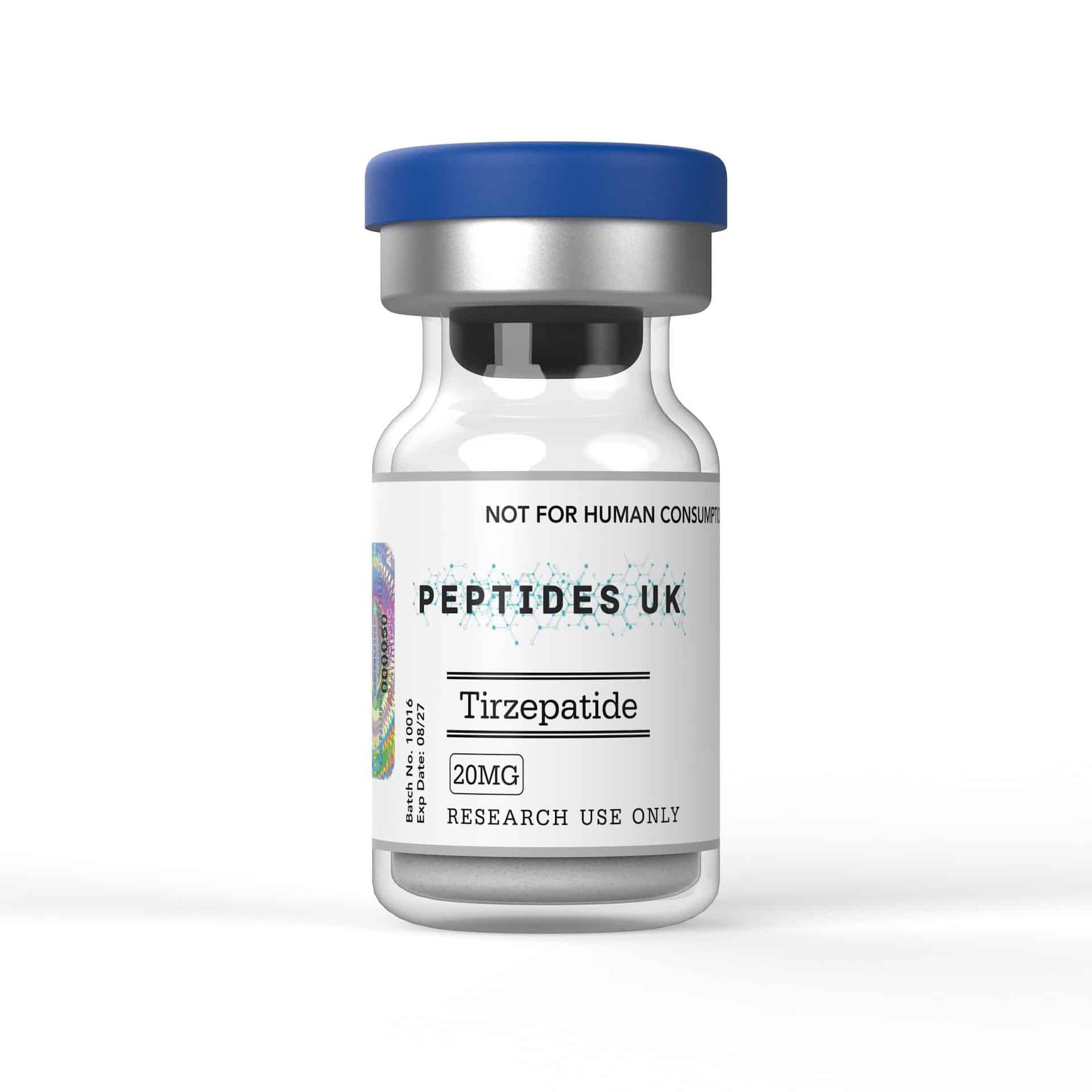
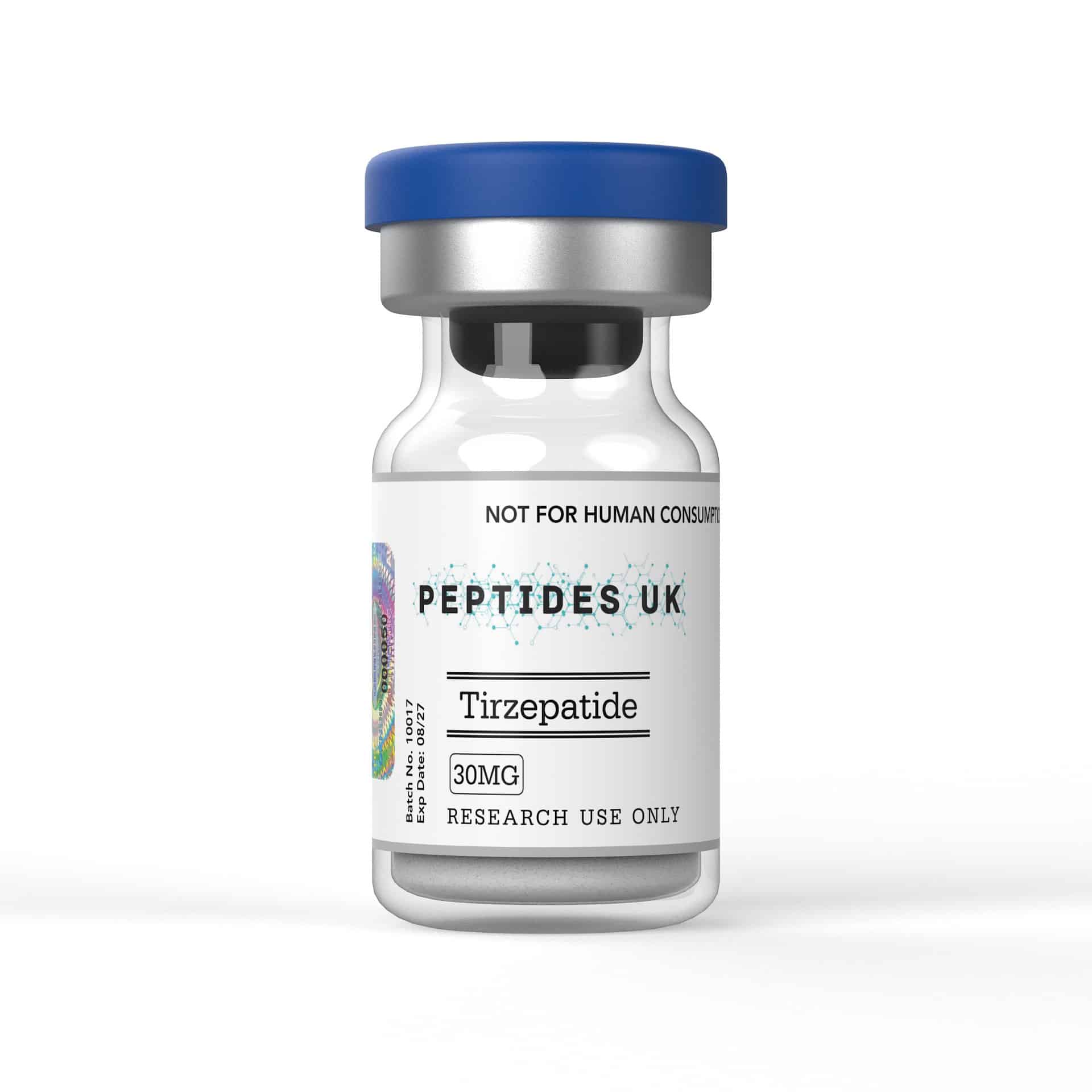
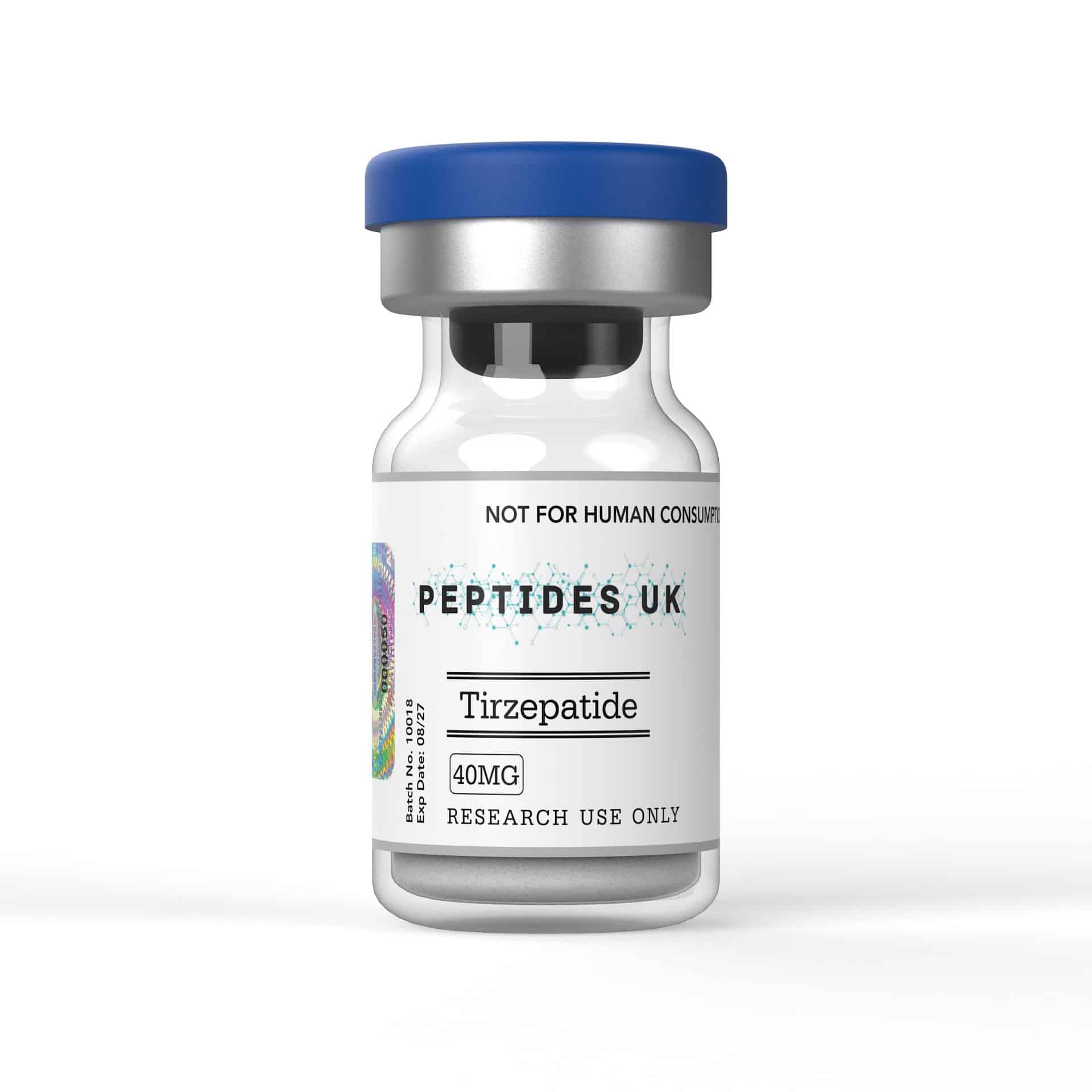
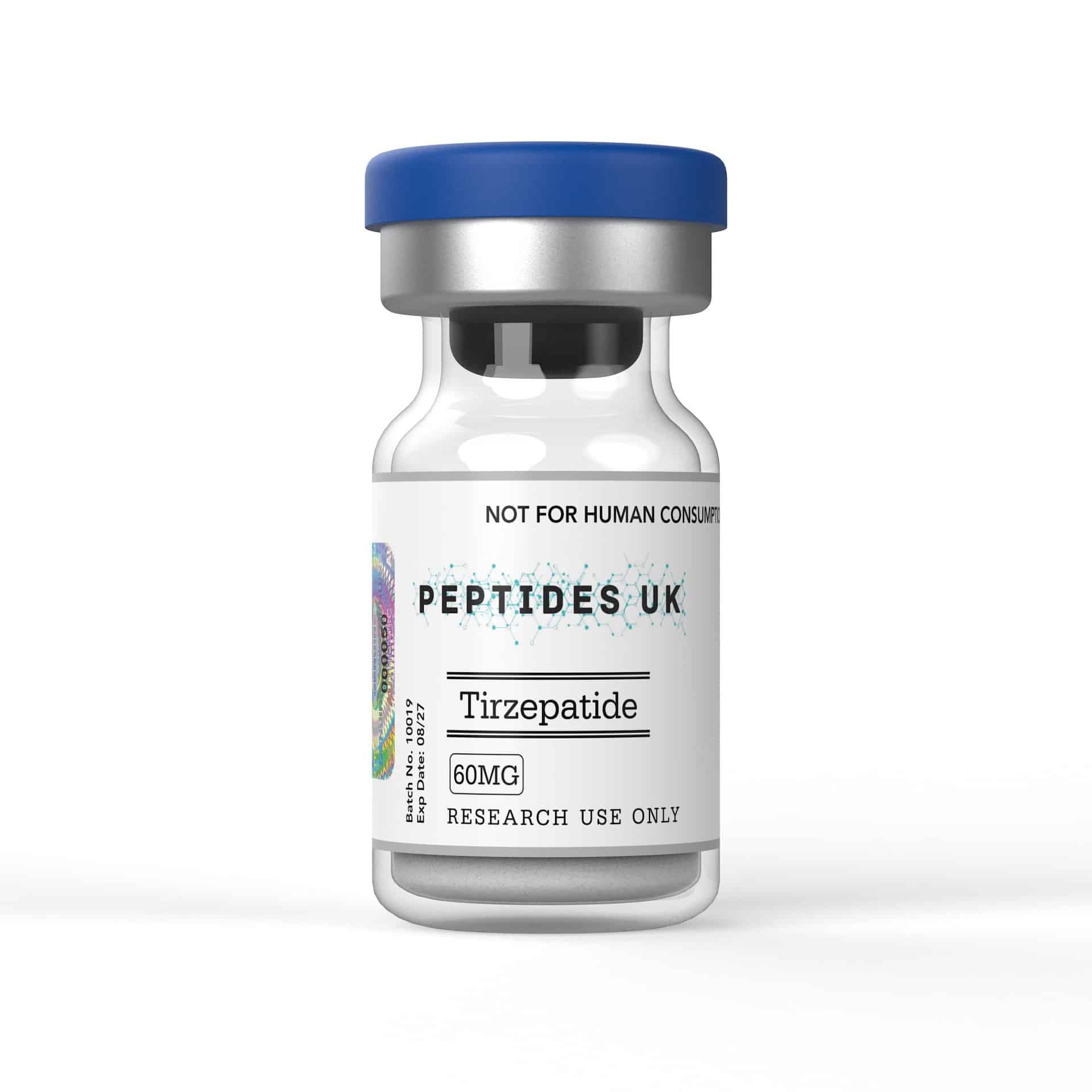
$57.50 – $373.00Price range: $57.50 through $373.00
Buy Tirzepatide Peptide in UAE – In Stock & Ready to Ship
Tirzepatide is a widely researched peptide known for its role in metabolic regulation and dual GIP/GLP-1 receptor studies. Each batch is independently verified at ≥99% purity and comes with a full Certificate of Analysis (COA) and HPLC testing documentation — giving UAE research teams the confidence they need when sourcing peptides for serious work.
For research use only. Not intended for human or veterinary use.


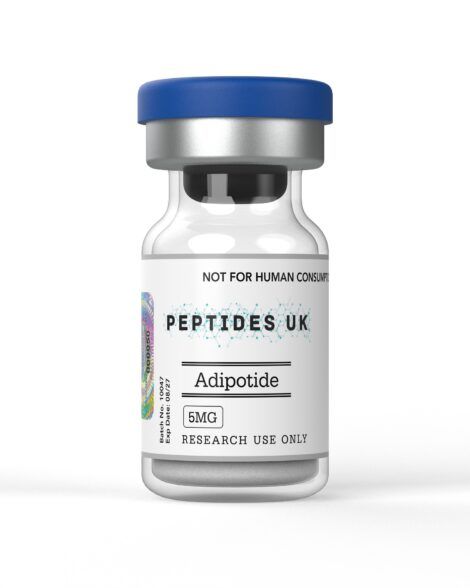
Tirzepatide is a dual GIP/GLP-1 receptor co-agonist peptide that has emerged as one of the most significant compounds in metabolic research — studied for its simultaneous activation of both glucose-dependent insulinotropic polypeptide (GIP) and glucagon-like peptide-1 (GLP-1) receptor pathways, producing metabolic outcomes in pre-clinical models that have made it one of the most closely watched dual-receptor peptides in obesity and diabetes research science. Researchers and institutions across the UAE, Dubai, Abu Dhabi and the wider GCC can source verified, research-grade Tirzepatide with fast international dispatch and full batch documentation included.
✅ ≥99% Purity — HPLC & Mass Spectrometry Verified ✅ Batch-Specific Certificate of Analysis (CoA) Included ✅ Sterile Lyophilised Powder | GMP Manufactured ✅ Fast International Dispatch to UAE & GCC
Tirzepatide is a synthetic 39-amino acid peptide developed as a dual agonist targeting both the GIP receptor (GIPR) and GLP-1 receptor (GLP-1R) simultaneously. It was designed around the native GIP sequence as its structural backbone, with modifications that confer GLP-1R agonism alongside its primary GIPR activity — creating a single molecule capable of engaging both incretin receptor systems at once.
GIP (glucose-dependent insulinotropic polypeptide) and GLP-1 are both incretin hormones released from the gut in response to food intake, and both play important roles in stimulating insulin secretion, regulating appetite, and influencing metabolic homeostasis. However, they act through distinct receptors with somewhat different tissue distributions and downstream signalling profiles — which is what makes the dual-receptor approach of Tirzepatide particularly interesting from a research perspective. By engaging both pathways simultaneously, Tirzepatide allows researchers to examine metabolic outcomes that neither GIP nor GLP-1 receptor agonism alone can fully replicate. Research interest in Tirzepatide from institutions across the UAE and GCC reflects the broader global focus on metabolic disease, obesity biology, and incretin pharmacology research — areas of growing priority across the region.
In controlled laboratory and pre-clinical research settings, Tirzepatide has been studied across a broad range of metabolic, endocrinological, and physiological research applications:
Dual GIP and GLP-1 Receptor Activation: Tirzepatide’s defining research characteristic is its simultaneous engagement of both GIPR and GLP-1R. Studies examine how co-activation of these two incretin receptor systems influences insulin secretion dynamics, appetite signalling, and metabolic outcomes compared to selective single-receptor agonism — exploring whether the dual approach produces additive or synergistic metabolic effects.
Insulin Secretion Research: Both GIP and GLP-1 receptors are expressed on pancreatic beta cells and both stimulate insulin secretion in a glucose-dependent manner. Research has examined how Tirzepatide’s dual receptor engagement influences the magnitude, duration, and glucose-dependency of insulin secretory responses in pancreatic cell models.
Beta Cell Biology: Studies have incorporated Tirzepatide into models examining pancreatic beta cell survival, proliferation, and function — exploring how combined GIPR and GLP-1R activation influences beta cell health and responsiveness in metabolic stress conditions.
Appetite and Satiety Research: Both incretin receptors are involved in appetite regulation through central and peripheral mechanisms. Research has examined how Tirzepatide influences food intake behaviour, appetite-regulating neuropeptide expression, and satiety signalling in pre-clinical models.
Body Composition Studies: Pre-clinical research has examined Tirzepatide’s effects on body weight, fat mass distribution, and lean mass preservation in animal models of diet-induced obesity — making it one of the most studied compounds in pre-clinical obesity biology.
Lipid Metabolism Research: GIP receptor signalling plays a role in lipid metabolism and adipose tissue function. Studies have examined how Tirzepatide’s GIPR component influences lipid handling, fat cell biology, and hepatic lipid metabolism alongside its GLP-1R-mediated effects.
Glucose Homeostasis Studies: Research has examined Tirzepatide’s influence on fasting and postprandial glucose regulation, insulin sensitivity, and hepatic glucose production — areas where both incretin pathways contribute through distinct but complementary mechanisms.
Cardiovascular Research: GLP-1 receptors are expressed in cardiac tissue, and research has begun examining how Tirzepatide’s dual receptor profile influences cardiovascular parameters in pre-clinical models — building on the established cardioprotective research profile of GLP-1R agonism.
Comparative Incretin Research: Tirzepatide is used as a research tool to compare dual-receptor incretin agonism against selective GLP-1R compounds like Semaglutide — examining what differences in metabolic outcomes arise from adding GIPR engagement to GLP-1R activation.
All applications listed are research-based only. Tirzepatide is not approved for human therapeutic use as supplied.
Tirzepatide has developed an exceptionally strong and rapidly growing research profile since its emergence as a dual incretin research compound:
Pre-clinical metabolic studies in obese animal models have reported body weight and fat mass reductions with Tirzepatide that exceed those observed with selective GLP-1R agonists at comparable doses — suggesting that the addition of GIPR engagement meaningfully enhances metabolic outcomes beyond what GLP-1R agonism alone produces. Research examining Tirzepatide’s insulin secretory effects has documented a robust glucose-dependent insulin response in pancreatic models, with studies exploring how the combined GIPR and GLP-1R signalling influences the amplitude and kinetics of beta cell insulin release compared to single-receptor stimulation. Adipose tissue research has examined Tirzepatide’s effects on fat cell biology and lipid metabolism, with studies exploring how GIPR activation in adipose tissue contributes to the overall metabolic profile — an area of particular mechanistic interest given GIP’s documented roles in fat tissue function. Body composition research has documented Tirzepatide’s influence on lean mass preservation alongside fat mass reduction in pre-clinical models — a finding that has generated significant mechanistic interest and ongoing investigation into how dual incretin receptor engagement differentially affects fat versus lean tissue compartments. Comparative studies examining Tirzepatide against Semaglutide in pre-clinical obesity models have consistently reported greater metabolic parameter improvements with the dual-receptor compound, providing a mechanistic foundation for understanding how GIPR and GLP-1R pathways interact and complement each other in metabolic regulation.
| Feature | Tirzepatide | Semaglutide | Mazdutide | CagriSema |
|---|---|---|---|---|
| Receptor Targets | GIP + GLP-1 | GLP-1 only | GLP-1 + Glucagon | GLP-1 + Amylin |
| Incretin Type | Dual incretin | Single incretin | GLP-1 + non-incretin | GLP-1 + non-incretin |
| Structural Basis | GIP backbone | GLP-1 analogue | GLP-1 analogue | GLP-1 + amylin |
| Pre-Clinical Weight Data | Extensive | Extensive | Growing | Emerging |
| Research Generation | Second generation | Established | Newer | Emerging |
| Fat Cell Biology | Yes (GIPR) | Limited | Hepatic focus | Limited |
| Research Profile | Very extensive | Extensive | Growing | Emerging |
| Parameter | Specification |
|---|---|
| Full Name | Tirzepatide |
| Type | Dual GIP/GLP-1 Receptor Co-Agonist |
| Length | 39 Amino Acids |
| Structural Basis | Modified GIP backbone with GLP-1R agonism |
| Purity | ≥99% (HPLC & MS Verified) |
| Form | Sterile Lyophilised Powder |
| Solubility | Sterile water, bacteriostatic water |
| Storage (powder) | -20°C, protect from light |
| Storage (reconstituted) | 2–8°C, use within 2–4 weeks |
Every order of Tirzepatide dispatched to the UAE and GCC includes:
Can I buy Tirzepatide in the UAE?
Yes. We supply research-grade Tirzepatide with international dispatch to the UAE, Dubai, Abu Dhabi, Sharjah and across the GCC. All orders include full batch documentation and are packaged to maintain peptide integrity throughout transit. This compound is supplied strictly for laboratory research use only.
What is the difference between Tirzepatide and Semaglutide in research?
Semaglutide is a selective GLP-1 receptor agonist — it targets only the GLP-1R pathway. Tirzepatide is a dual agonist that engages both GIP receptors and GLP-1 receptors simultaneously. The key research distinction is that GIPR and GLP-1R have somewhat different tissue distributions, signalling profiles, and metabolic roles — meaning dual receptor engagement produces different downstream effects than GLP-1R agonism alone. Pre-clinical research has consistently reported greater metabolic parameter changes with Tirzepatide compared to Semaglutide, making the mechanistic differences between these compounds an active area of research investigation.
What role does the GIP receptor play in Tirzepatide’s research profile?
GIP (glucose-dependent insulinotropic polypeptide) is an incretin hormone with roles in insulin secretion, fat cell function, and lipid metabolism. GIP receptors are expressed on pancreatic beta cells, adipose tissue, bone, and the central nervous system — giving GIPR activation a distinct metabolic footprint compared to GLP-1R. Tirzepatide’s GIPR component is studied for its contributions to adipose tissue biology, lipid handling, and the overall metabolic outcomes that distinguish it from selective GLP-1R agonists.
Why is Tirzepatide’s structural basis in GIP significant for research?
Unlike most GLP-1R agonist research compounds which are based on the GLP-1 peptide sequence, Tirzepatide uses a modified GIP sequence as its structural backbone while incorporating modifications that confer GLP-1R activity. This structural approach is significant because it represents a different strategy for achieving dual incretin receptor agonism — studying how a GIP-scaffolded dual agonist compares to GLP-1-scaffolded compounds provides insights into the relationship between molecular structure and receptor pharmacology in incretin biology research.
What purity is required for Tirzepatide metabolic research?
A minimum of ≥98% is considered research grade, though ≥99% is strongly preferred for sensitive receptor binding assays, insulin secretion studies, and metabolic pre-clinical experiments where compound purity directly affects pharmacological accuracy and result reproducibility. All our Tirzepatide is independently verified to ≥99% purity.
How is Tirzepatide reconstituted for laboratory use?
Allow the vial to reach room temperature before opening. Add sterile or bacteriostatic water slowly down the vial wall and swirl gently without shaking. Aliquot immediately if longer-term storage at -80°C is required to preserve peptide integrity and avoid freeze-thaw degradation across multiple experimental uses.
How quickly is Tirzepatide delivered to UAE?
Orders are dispatched promptly via tracked international courier. Delivery to the UAE typically takes 3–5 working days, with packaging designed to maintain peptide stability throughout transit.
Research Disclaimer: Tirzepatide is supplied exclusively for legitimate scientific research purposes conducted within licensed laboratory environments. This product is not intended for human consumption, self-administration, or any therapeutic application. It must be handled by qualified researchers in compliance with applicable UAE regulations and institutional ethics guidelines. Handling should only be performed by qualified laboratory professionals in controlled research settings with appropriate institutional authorisations in place. By purchasing, you confirm that this compound will be used solely for approved in-vitro or pre-clinical research purposes.
Receive News
