COMING SOON Awaiting UAE License
PRODUCTS SOLD ON PEPTIDESLABUAE.COM ARE FOR RESEARCH PURPOSES ONLY AND ARE NOT FOR HUMAN OR VETERINARY USE.
$79.00
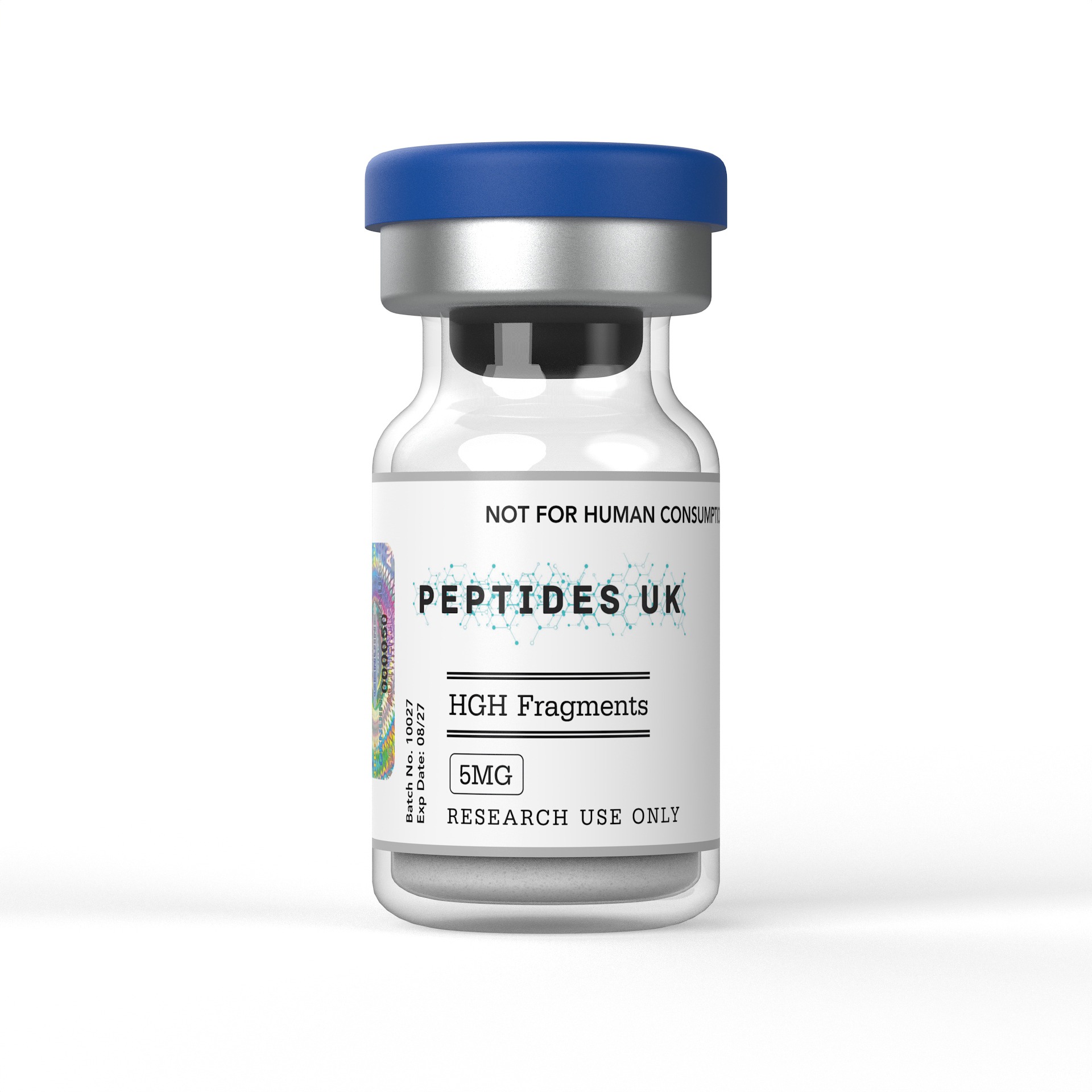
Buy HGH Fragment Peptide in UAE – In Stock & Ready to Ship
HGH Fragment (176-191) is a widely researched peptide known for its role in fat metabolism and lipolytic activity studies. Each batch is independently verified at ≥99% purity and comes with a full Certificate of Analysis (COA) and HPLC testing documentation — giving UAE research teams the confidence they need when sourcing peptides for serious work.
For research use only. Not intended for human or veterinary use.

HGH Fragment 176-191 is a synthetic peptide derived from the C-terminal region of human growth hormone — and one of the most specifically researched lipolytic peptides available to laboratories in the UAE — isolated from the full HGH molecule to retain the fat metabolism-regulating properties of growth hormone while removing its growth-promoting and insulin-sensitising effects, making it a highly targeted research tool for studying adipose tissue biology, lipid mobilisation mechanisms, and the specific region of the GH molecule responsible for its metabolic actions. Researchers and institutions across the UAE, Dubai, Abu Dhabi, and the wider GCC can source verified, research-grade HGH Fragment 176-191 with fast international dispatch and full batch documentation included.
✅ ≥99% Purity — HPLC & Mass Spectrometry Verified
✅ Batch-Specific Certificate of Analysis (CoA)
✅ Sterile Lyophilised Powder | GMP Manufactured
✅ Fast International Dispatch to UAE & GCC
HGH Fragment 176-191 is a synthetic peptide representing amino acids 176 through 191 of the 191 amino acid human growth hormone molecule — specifically the C-terminal tail region that research has identified as the portion of the HGH sequence responsible for regulating fat metabolism. The fragment was isolated and studied following observations that the full HGH molecule’s lipolytic effects — its capacity to stimulate the breakdown and mobilisation of stored fat — could be attributed to a specific region of the protein structure rather than requiring the intact full-length molecule. By isolating this region as a standalone synthetic peptide, researchers created a targeted tool for studying GH-mediated lipid metabolism without the confounding growth-promoting, IGF-1-stimulating, and insulin-desensitising effects associated with full-length HGH administration.
The mechanism through which HGH Fragment 176-191 exerts its lipolytic research effects is distinct from the GH receptor-mediated pathway used by full-length HGH. Rather than engaging the classical growth hormone receptor and triggering the full downstream signalling cascade — which includes IGF-1 production, cell proliferation signalling, and insulin antagonism alongside lipolysis — Fragment 176-191 appears to act through a more direct interaction with adipose tissue that triggers fat cell lipolytic machinery without the growth hormone receptor-dependent effects. This mechanistic separation is precisely what makes the fragment a valuable research tool — it allows researchers to study GH-related fat metabolism biology in isolation, without the complex mix of anabolic, metabolic, and endocrine effects that accompany full HGH research models.
Research has also examined HGH Fragment 176-191 in the context of bone metabolism and cartilage biology — with studies suggesting effects on bone mineral density parameters and chondrocyte activity that may be independent of IGF-1 pathway activation, adding a secondary research dimension to a compound primarily studied for its adipose biology relevance.
In laboratory settings, HGH Fragment 176-191 research is centred on its isolated lipolytic mechanism and its utility as a tool for studying specific aspects of GH-related metabolic biology without full HGH receptor engagement. Research applications include:
Its unique property of retaining GH-associated lipolytic biology while removing growth-promoting and insulin-antagonising effects makes HGH Fragment 176-191 a precisely targeted research tool for dissecting the metabolic actions of growth hormone at the molecular level. All applications are for research use only.
HGH Fragment 176-191 has accumulated a focused research literature centred on adipose biology, lipid metabolism, and the mechanistic separation of GH’s metabolic from its growth-promoting effects.
Lipolytic mechanism research has been the primary focus of HGH Fragment 176-191 studies — with pre-clinical investigations documenting fat cell lipolysis stimulation and inhibition of new fat accumulation (lipogenesis) in adipose tissue models. Studies have characterised the fragment’s capacity to stimulate the breakdown of stored triglycerides in adipocytes and mobilise free fatty acids — effects consistent with the lipolytic actions of full-length HGH but occurring without the growth hormone receptor-dependent signalling that drives HGH’s anabolic and insulin-antagonising effects. This mechanistic dissociation has been central to establishing Fragment 176-191 as a research tool for studying isolated GH metabolic biology.
IGF-1 independence research has documented that HGH Fragment 176-191’s metabolic effects in pre-clinical models occur without meaningful elevation of IGF-1 levels — a critical distinction from full HGH research models where IGF-1 elevation confounds the interpretation of metabolic outcomes. By demonstrating that GH-associated lipolytic biology can be studied without IGF-1 axis activation, this research has established Fragment 176-191 as a cleaner tool for examining fat metabolism mechanisms in isolation.
Insulin sensitivity research has characterised the differential effect of Fragment 176-191 versus full HGH on glucose metabolism and insulin sensitivity — with studies documenting that the fragment does not produce the insulin resistance associated with full HGH administration at lipolytically active doses. This absence of insulin-antagonising effects in pre-clinical models makes Fragment 176-191 a research tool relevant to metabolic biology studies where isolating fat metabolism effects without glucose homeostasis disruption is experimentally important.
Bone and cartilage research has examined HGH Fragment 176-191 in skeletal biology models — with studies reporting effects on bone mineral density parameters and markers of cartilage metabolism in pre-clinical models. These findings have opened a secondary research dimension for the fragment beyond adipose biology, though this area remains less extensively characterised than the primary lipolytic research focus.
Adipogenesis research has examined Fragment 176-191’s effects on pre-adipocyte differentiation — with studies documenting inhibitory effects on the conversion of pre-adipocytes into mature fat cells, suggesting the fragment may influence adipose tissue biology at both the lipolytic (fat breakdown) and adipogenic (fat cell formation) levels. This dual-action profile in adipose tissue has been of interest to researchers examining the biology of adipose tissue regulation and fat mass homeostasis.
| Compound | Type | Mechanism | IGF-1 Effect | Insulin Effect | Key Research Focus |
|---|---|---|---|---|---|
| HGH Fragment 176-191 | HGH C-terminal fragment | Direct lipolysis — non-GHR | Minimal | Neutral | Isolated fat metabolism, adipose biology |
| Full HGH | Endogenous 191aa protein | GH receptor — full activation | Strong elevation | Antagonistic | Complete GH axis biology |
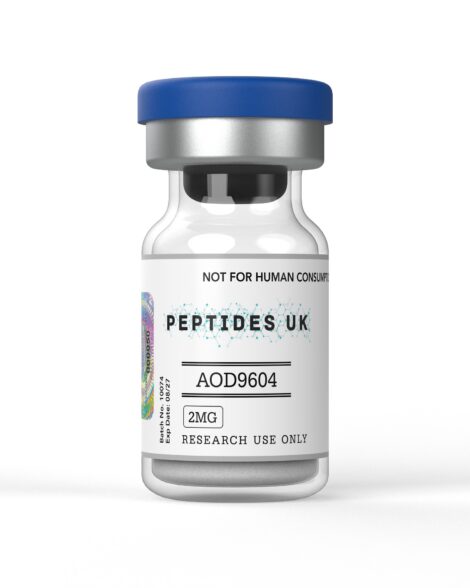
| AOD-9604 | Modified Fragment 177-191 | Lipolytic — beta-3 adrenergic | Minimal | Neutral | Lipolysis, metabolic biology |
| CJC-1295 | GHRH analogue | GHRH receptor — GH release | Elevated via GH | Variable | GH axis stimulation research |
| Ipamorelin | GHS-R1a agonist | Pituitary GH release | Elevated via GH | Variable | Selective GH release research |
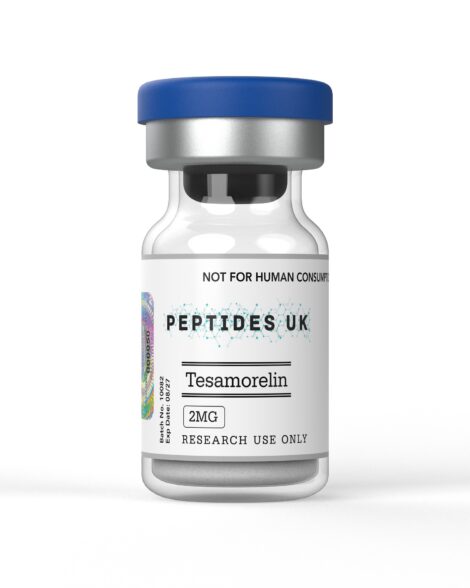
| Tesamorelin | GHRH analogue | GHRH receptor — GH release | Elevated via GH | Variable | Visceral fat, GH axis research |
| GHRP-6 | GHS-R1a agonist | Pituitary GH release + ghrelin | Elevated via GH | Variable | GH axis, cardioprotection |
| Parameter | Detail |
|---|---|
| Type | Synthetic HGH C-Terminal Fragment Peptide |
| Fragment | Amino acids 176–191 of human growth hormone |
| Molecular Weight | 1817.1 Da |
| Mechanism | Lipolytic — non-GH receptor mediated |
| Key Advantage | Isolated fat metabolism research without IGF-1 or insulin effects |
| Purity | ≥99% |
| Verification | HPLC & Mass Spectrometry |
| Form | Lyophilised Powder |
| Solubility | Sterile water or suitable laboratory buffer |
| Storage | -20°C, protected from light and moisture |
| Intended Use | Research use only |
Every order dispatched to the UAE and GCC includes:
Yes. We supply research-grade HGH Fragment 176-191 with international dispatch to the UAE, Dubai, Abu Dhabi, Sharjah and across the GCC. All orders include full batch documentation and are packaged to maintain peptide integrity throughout transit. This compound is supplied strictly for laboratory research use only.
Full HGH is the complete 191 amino acid growth hormone protein — engaging the GH receptor to produce the full spectrum of GH biology including IGF-1 production, cell proliferation signalling, anabolic tissue effects, and insulin antagonism alongside lipolysis. HGH Fragment 176-191 is just the 16 amino acid C-terminal tail of that molecule — the specific region research has identified as carrying the lipolytic activity — studied as a standalone peptide that produces fat metabolism effects without GH receptor-dependent growth promotion, IGF-1 elevation, or insulin resistance. In research terms, this makes the fragment a more targeted tool for studying GH-related fat metabolism biology in isolation, whereas full HGH research models involve the complete and complex multi-system biology of growth hormone.
The precise mechanism through which Fragment 176-191 stimulates lipolysis without classical GH receptor engagement remains an active area of research interest. Studies have pointed toward interactions with beta-3 adrenergic receptors on adipocytes and direct effects on intracellular lipolytic signalling pathways — including activation of hormone-sensitive lipase — as potential mechanisms contributing to the fragment’s fat mobilisation effects in research models. The absence of IGF-1 elevation and insulin antagonism in pre-clinical models treated with Fragment 176-191 supports the conclusion that its effects bypass the classical GH receptor pathway, though the full mechanistic picture continues to be refined through ongoing research.
AOD-9604 is a modified version of the HGH fragment — specifically a slightly altered version of the 177-191 region with an additional tyrosine modification — developed as a further refinement of the fragment lipolysis research concept. Both compounds share the same core research focus on GH-associated adipose biology and lipolytic mechanisms, and both have been studied for their capacity to stimulate fat metabolism without IGF-1 or insulin effects. HGH Fragment 176-191 is the parent research compound representing the native HGH sequence, while AOD-9604 represents a modified analogue developed to study how structural variations within this region influence lipolytic activity — making the two compounds complementary tools for structure-activity research within the GH C-terminal fragment space.
IGF-1 (Insulin-like Growth Factor 1) is the primary downstream mediator of many of GH’s tissue-building, proliferative, and growth-promoting effects — produced in the liver in response to GH receptor activation and responsible for a wide range of anabolic biological actions. In full HGH research models, IGF-1 elevation accompanies all GH-driven effects including lipolysis, making it difficult to attribute observed outcomes specifically to direct GH metabolic actions versus IGF-1-mediated downstream effects. Fragment 176-191’s ability to produce lipolytic effects in pre-clinical models without meaningful IGF-1 elevation allows researchers to study GH-associated fat metabolism biology in a cleaner experimental context — attributing observed metabolic effects to direct adipose tissue mechanisms rather than IGF-1 pathway activity.
Yes — while the primary research focus for Fragment 176-191 is adipose biology and lipid metabolism, a secondary body of research has examined its effects in skeletal and cartilage models. Studies have reported effects on bone mineral density parameters and markers of chondrocyte activity in pre-clinical models — suggesting the fragment may influence bone and cartilage biology through mechanisms potentially distinct from IGF-1 pathway activation. This area of research remains less extensively characterised than the fragment’s lipolytic biology, but has been of interest to researchers examining whether GH C-terminal fragment biology extends beyond adipose tissue into musculoskeletal research applications.
Allow the vial to reach room temperature before opening. Add sterile water or appropriate laboratory buffer slowly down the vial wall and swirl gently without shaking. Prepare at your protocol’s required concentration. Aliquot and store at -80°C to minimise freeze-thaw degradation and maintain peptide integrity between experimental sessions. Avoid repeated freeze-thaw cycles and exposure to elevated temperatures.
Orders are dispatched promptly via tracked international courier. Delivery to the UAE typically takes 3–5 working days, with packaging designed to maintain peptide stability and integrity throughout transit.
HGH Fragment 176-191 is supplied exclusively for legitimate scientific research conducted within licensed laboratory environments. This product is not intended for human consumption, self-administration, or any therapeutic or veterinary application. It must be handled solely by qualified researchers in compliance with applicable UAE regulations and institutional ethics guidelines. By purchasing, you confirm this compound will be used exclusively for approved in vitro or pre-clinical research purposes.
Receive News
