COMING SOON Awaiting UAE License
PRODUCTS SOLD ON PEPTIDESLABUAE.COM ARE FOR RESEARCH PURPOSES ONLY AND ARE NOT FOR HUMAN OR VETERINARY USE.
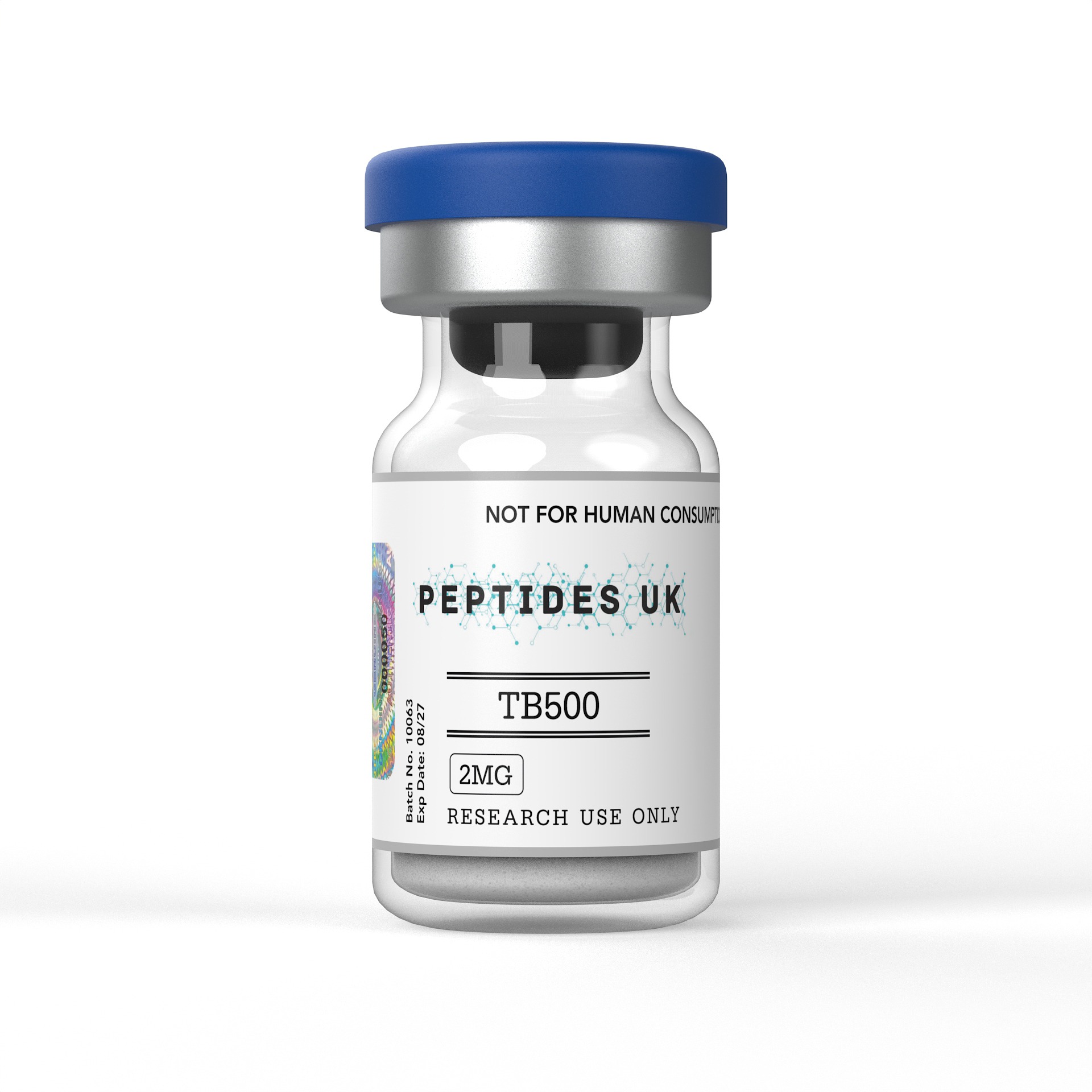
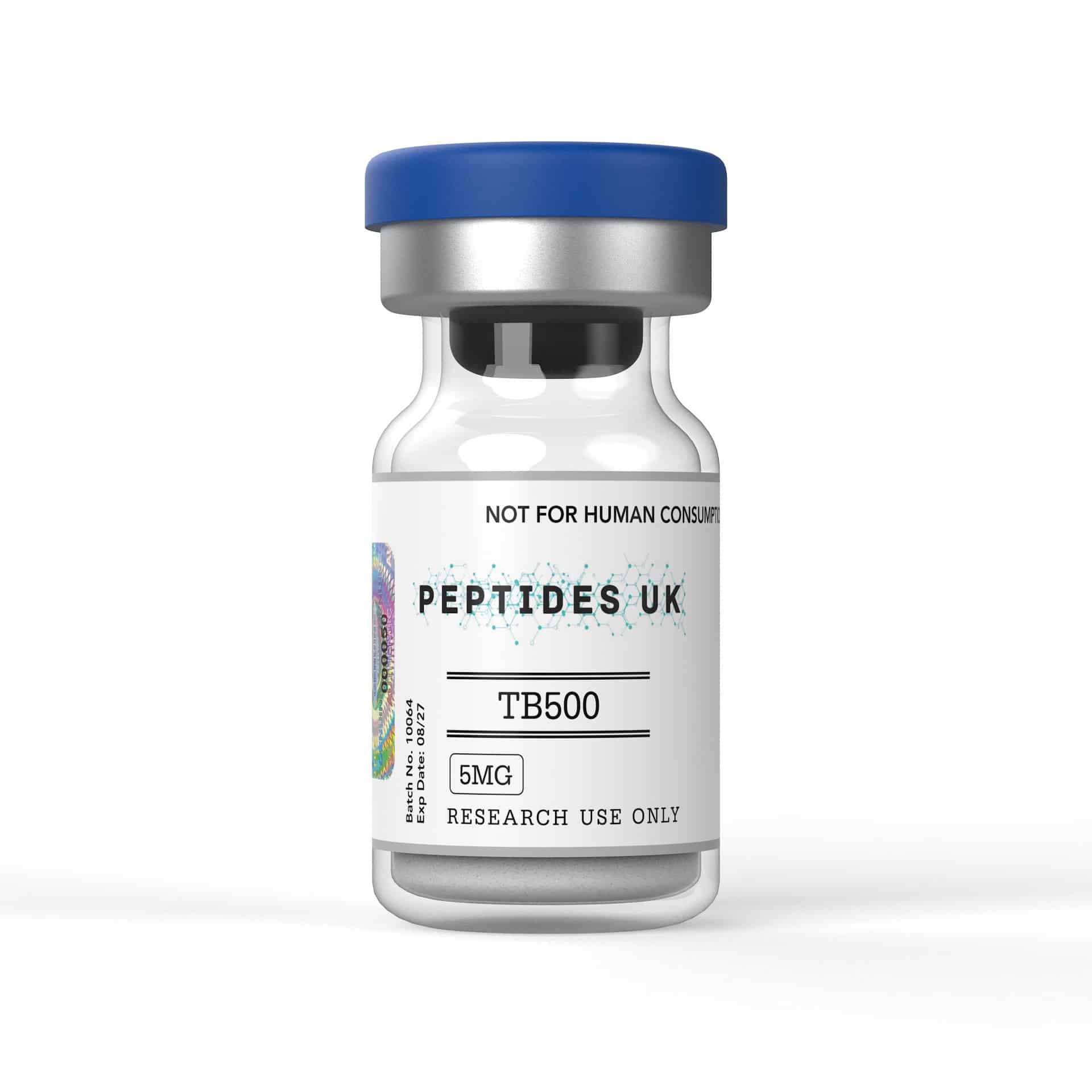
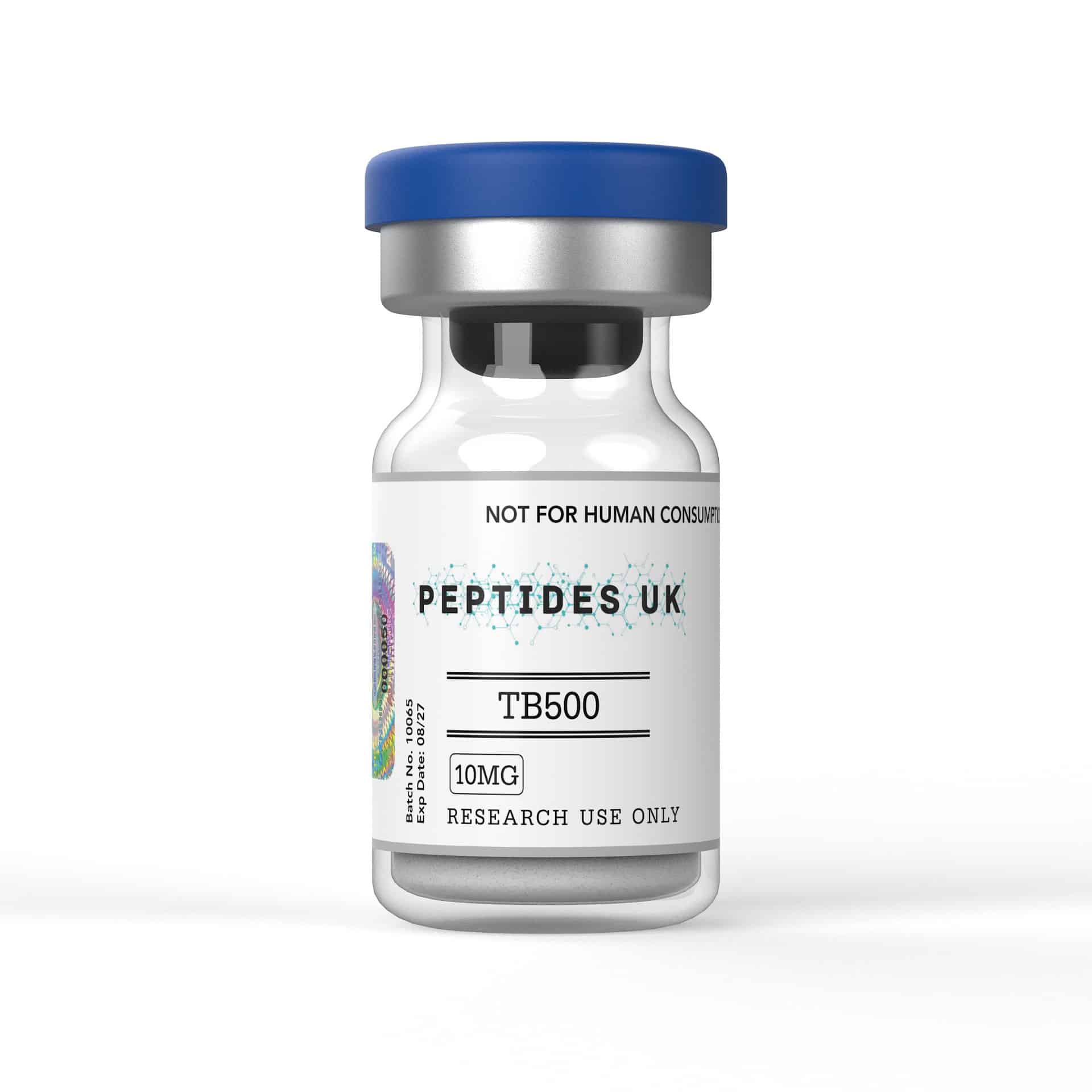
$32.50 – $53.50Price range: $32.50 through $53.50
Buy TB500 Peptide in UAE – In Stock & Ready to Ship
TB500 (Thymosin Beta-4) is a widely researched peptide known for its role in tissue repair, wound healing and cellular regeneration studies. Each batch is independently verified at ≥99% purity and comes with a full Certificate of Analysis (COA) and HPLC testing documentation — giving UAE research teams the confidence they need when sourcing peptides for serious work.
For research use only. Not intended for human or veterinary use.
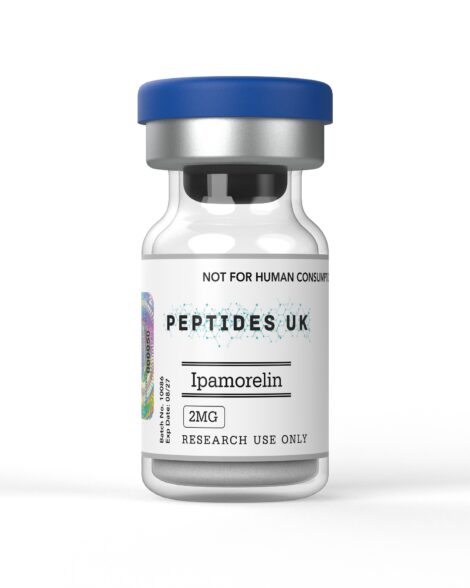

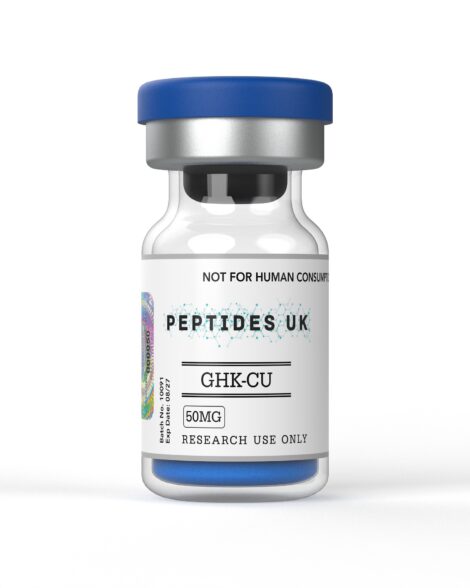
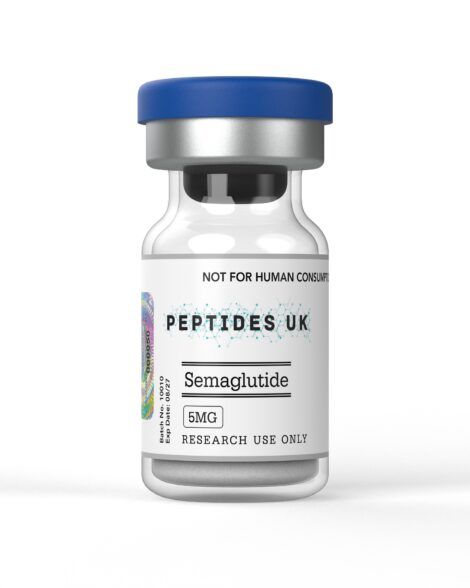
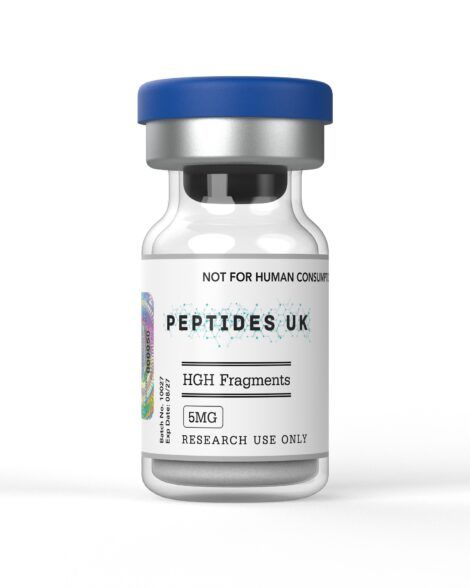
TB-500 (Thymosin Beta-4) is one of the most extensively researched tissue repair and anti-inflammatory peptides available to laboratories in the UAE — a naturally occurring 43 amino acid peptide found in virtually every cell in the body that regulates actin polymerisation, promotes cell migration, modulates inflammatory signalling, and activates multiple overlapping tissue repair pathways, making it one of the most broadly applicable research tools in regenerative biology, wound healing, and cytoprotection research. Researchers and institutions across the UAE, Dubai, Abu Dhabi and the wider GCC can source verified, research-grade TB-500 with fast international dispatch and full batch documentation included.
✅ ≥99% Purity — HPLC & Mass Spectrometry Verified
✅ Batch-Specific Certificate of Analysis (CoA)
✅ Sterile Lyophilised Powder | GMP Manufactured
✅ Fast International Dispatch to UAE & GCC
TB-500 is the synthetic form of Thymosin Beta-4 (Tβ4) — a naturally occurring 43 amino acid peptide belonging to the beta-thymosin family, originally isolated from thymus tissue but now known to be expressed ubiquitously across virtually all mammalian cell types. It is one of the most abundant intracellular peptides in the body, present at high concentrations in platelets, wound fluid, and tissues undergoing active repair.
Thymosin Beta-4’s primary molecular function is as a G-actin sequestering peptide — it binds monomeric actin (G-actin) and regulates the balance between G-actin and filamentous actin (F-actin), thereby controlling actin polymerisation dynamics. Since actin polymerisation is fundamental to cell motility, cell morphology, and cytoskeletal organisation, Tβ4’s regulation of this process places it at the centre of cell migration biology — a core mechanism in wound healing, tissue repair, and immune cell trafficking.
Beyond actin regulation, research has characterised Thymosin Beta-4 as a pleiotropic peptide with multiple distinct biological activities including anti-inflammatory signalling, angiogenesis promotion, stem cell activation, and direct cardioprotective effects — making it one of the most multifunctional endogenous peptides in repair biology. The synthetic form TB-500 replicates this full biological profile and has become one of the most referenced repair peptides across multiple research disciplines.
In laboratory settings, TB-500 research spans a remarkably broad range of biological disciplines given its involvement in fundamental cellular processes. Research applications include:
Its involvement across actin biology, inflammation resolution, angiogenesis, and stem cell activation — all simultaneously — makes TB-500 one of the most versatile and broadly studied repair peptides in current regenerative biology research. All applications are for research use only.
TB-500 has accumulated one of the most expansive and cross-disciplinary research profiles of any synthetic repair peptide currently used in laboratory science:
Actin biology research has firmly established Thymosin Beta-4’s role as the primary G-actin sequestering peptide in mammalian cells — with studies characterising how its regulation of the G-actin/F-actin equilibrium governs cell migration speed, directionality, and morphological adaptation. These foundational studies have established TB-500 as an essential research tool for studying how actin dynamics underlie cell motility in wound healing, immune trafficking, and tissue repair contexts.
Cardiac research has produced some of the most referenced findings associated with TB-500 — with pre-clinical studies documenting significant cardioprotective effects following ischaemic injury, including reduced cardiomyocyte apoptosis, promotion of cardiac stem cell activation, stimulation of new blood vessel formation in ischaemic cardiac tissue, and improved functional recovery parameters in myocardial infarction models. These findings have made TB-500 one of the most studied peptides in cardiac repair biology.
Wound healing research has characterised TB-500’s role in accelerating wound closure in pre-clinical models — documenting effects on keratinocyte and fibroblast migration, collagen deposition, and angiogenesis at wound sites. Studies have examined both dermal wound healing and corneal repair models, with TB-500 consistently demonstrating promotion of the cellular migration and vascularisation processes central to tissue repair.
Neural research has explored TB-500’s neuroprotective and neuroregenerative properties — with studies examining its effects on axonal repair, neuronal survival under stress conditions, and recovery parameters in spinal cord and brain injury models. These findings reflect the broad tissue-protective profile of Thymosin Beta-4 and have established TB-500 as a referenced research tool in neuroprotection biology alongside its repair applications.
Anti-inflammatory research has documented TB-500’s modulation of inflammatory cytokine profiles — with studies reporting downregulation of pro-inflammatory mediators including TNF-α and IL-1β alongside promotion of anti-inflammatory signalling, establishing a mechanistic basis for TB-500’s observed tissue-protective effects in inflammatory injury models. Angiogenesis research has characterised TB-500’s promotion of new blood vessel formation — documenting upregulation of VEGF and other angiogenic mediators and examining how TB-500-driven angiogenesis contributes to tissue repair and recovery in ischaemic tissue models.
| Compound | Type | Primary Mechanism | Key Research Areas | Tissue Scope | Research Profile |
|---|---|---|---|---|---|
| TB-500 (Thymosin Beta-4) | 43 AA endogenous peptide | Actin regulation, multi-pathway | Cardiac, neural, wound, muscle | Systemic — broad | Extensively studied |
| BPC-157 | 15 AA synthetic peptide | Multiple — angiogenesis, GI | GI repair, tendon, neural | Broad | Well-documented |
| MGF | IGF-1 splice variant | Satellite cell activation | Muscle repair, cardiac | Local — mechano-sensitive | Well-documented |
| ARA-290 | Cyclic 11 AA peptide | IRR activation | Neuroprotection, anti-inflammatory | Neural, immune, metabolic | Growing rapidly |
| Thymosin Alpha-1 | 28 AA endogenous peptide | Immune modulation | Immune biology, antiviral | Immune system focused | Well-documented |
| GHK-Cu | Tripeptide-copper complex | Multiple — remodelling | Wound healing, skin biology | Dermal, connective tissue | Well-documented |
| Parameter | Detail |
|---|---|
| Type | Synthetic Peptide (Thymosin Beta-4 analogue) |
| Also Known As | TB-500, Tβ4, Thymosin Beta 4 |
| Chain Length | 43 Amino Acids |
| Primary Mechanism | G-actin sequestration, actin dynamics regulation |
| Purity | ≥99% |
| Verification | HPLC & Mass Spectrometry |
| Form | Lyophilised Powder |
| Solubility | Sterile water or bacteriostatic water |
| Storage | -20°C, protected from light and moisture |
| Intended Use | Research use only |
Every order dispatched to the UAE and GCC includes:
Yes. We supply research-grade TB-500 with international dispatch to the UAE, Dubai, Abu Dhabi, Sharjah and across the GCC. All orders include full batch documentation and are packaged to maintain peptide integrity throughout transit. This compound is supplied strictly for laboratory research use only.
TB-500 is the synthetic research peptide form of Thymosin Beta-4 (Tβ4) — it replicates the full 43 amino acid sequence of the naturally occurring endogenous peptide. In research contexts the terms are often used interchangeably, with TB-500 referring specifically to the synthesised compound used in laboratory settings. The biological activity profile studied in TB-500 research directly reflects the endogenous functions of Thymosin Beta-4 in mammalian tissue repair and cell biology.
Actin is the most abundant protein in most mammalian cells and exists in two forms — monomeric G-actin and polymerised filamentous F-actin. The balance between these forms governs cell shape, movement, and structural integrity. TB-500’s primary molecular function is sequestering G-actin, regulating this equilibrium and thereby controlling cell migration dynamics. Since cell migration is fundamental to wound closure, immune cell trafficking, and tissue repair, TB-500’s regulation of actin polymerisation places it at the mechanistic centre of multiple repair processes simultaneously — which is why actin biology is the foundation of TB-500 research.
Pre-clinical cardiac research has produced some of the most notable findings in TB-500 science — with studies in myocardial infarction models documenting reduced cardiomyocyte death, activation of cardiac progenitor cells, stimulation of angiogenesis in ischaemic cardiac tissue, and improved functional recovery parameters. Mechanistically, these studies have linked TB-500’s effects to its promotion of cardiac stem cell mobilisation, its anti-apoptotic signalling in stressed cardiomyocytes, and its angiogenic activity — establishing it as one of the most referenced peptides in cardiac repair biology research.
Both TB-500 and BPC-157 are widely studied repair peptides with broad tissue applicability, but they differ in their primary mechanisms and research focus areas. TB-500 operates fundamentally through actin regulation and has its strongest research base in cardiac, neural, and systemic tissue repair. BPC-157 has a stronger research base in gastrointestinal repair, tendon biology, and angiogenesis through different signalling pathways. Many research protocols examine both compounds as complementary tools for studying tissue repair from different mechanistic angles — with TB-500’s actin-centred systemic repair profile and BPC-157’s GI and connective tissue focus providing distinct and complementary research perspectives.
Pre-clinical neural studies have examined TB-500’s effects following spinal cord injury, traumatic brain injury, and peripheral nerve damage — documenting neuroprotective effects on neuronal survival, promotion of axonal repair markers, and recovery parameter improvements in injury models. These findings reflect Thymosin Beta-4’s broad tissue-protective profile and have established TB-500 as a referenced research tool in neuroprotection biology, with studies examining both direct neuronal effects and indirect benefits through anti-inflammatory and angiogenic mechanisms in neural tissue.
Allow the vial to reach room temperature before opening. Add sterile or bacteriostatic water slowly down the vial wall and swirl gently without shaking. Prepare at your protocol’s required concentration. Aliquot and store at -80°C to minimise freeze-thaw degradation and maintain peptide integrity between experimental sessions. TB-500 is relatively stable in reconstituted form compared to many research peptides when stored correctly at -80°C.
Orders are dispatched promptly via tracked international courier. Delivery to the UAE typically takes 3–5 working days, with packaging designed to maintain peptide stability and integrity throughout transit.
TB-500 (Thymosin Beta-4) is supplied exclusively for legitimate scientific research conducted within licensed laboratory environments. This product is not intended for human consumption, self-administration, or any therapeutic or veterinary application. It must be handled solely by qualified researchers in compliance with applicable UAE regulations and institutional ethics guidelines. By purchasing, you confirm this compound will be used exclusively for approved in vitro or pre-clinical research purposes.
Receive News
