IGF-1 LR3 UAE | Buy Research-Grade IGF-1 Long R3 | ≥99% Purity
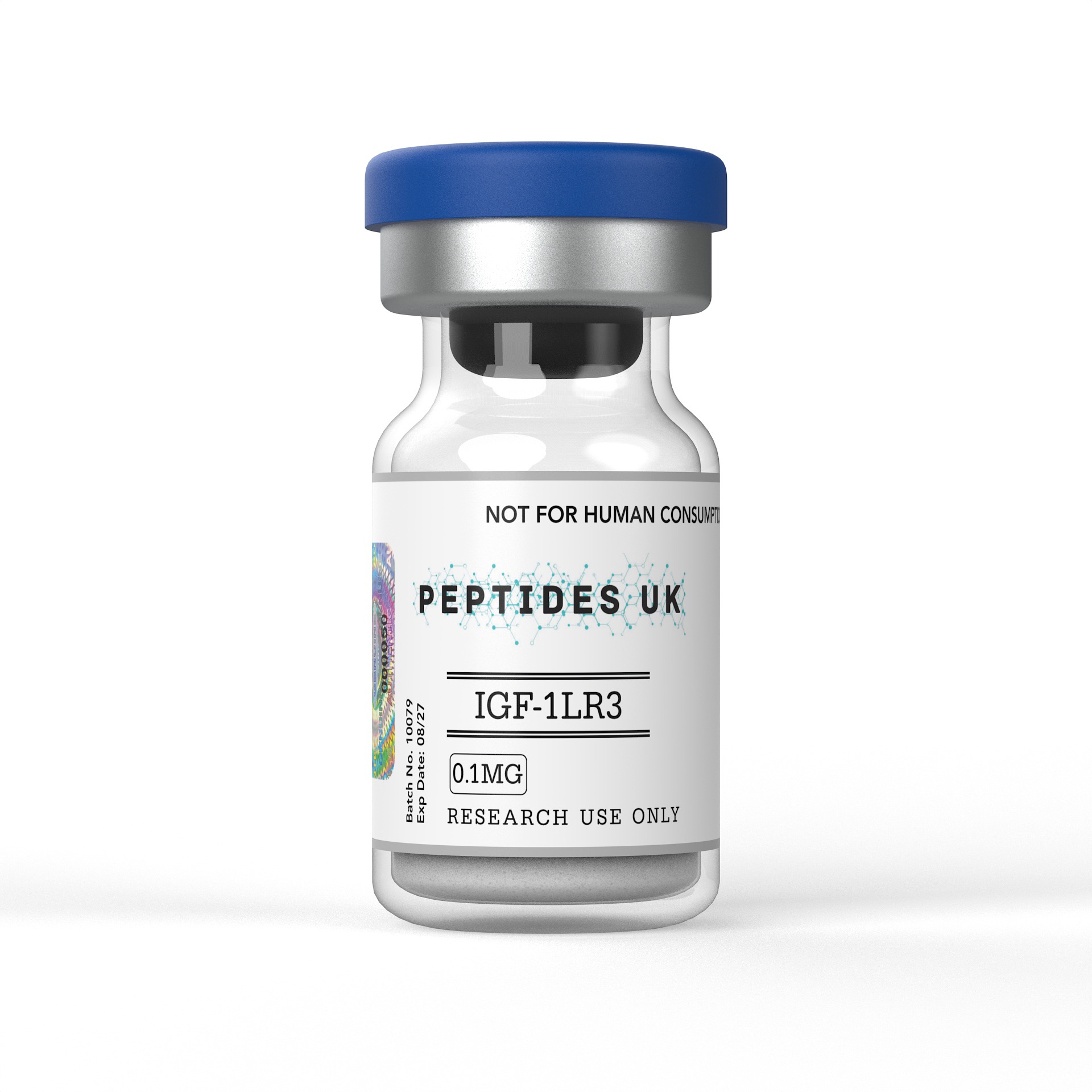
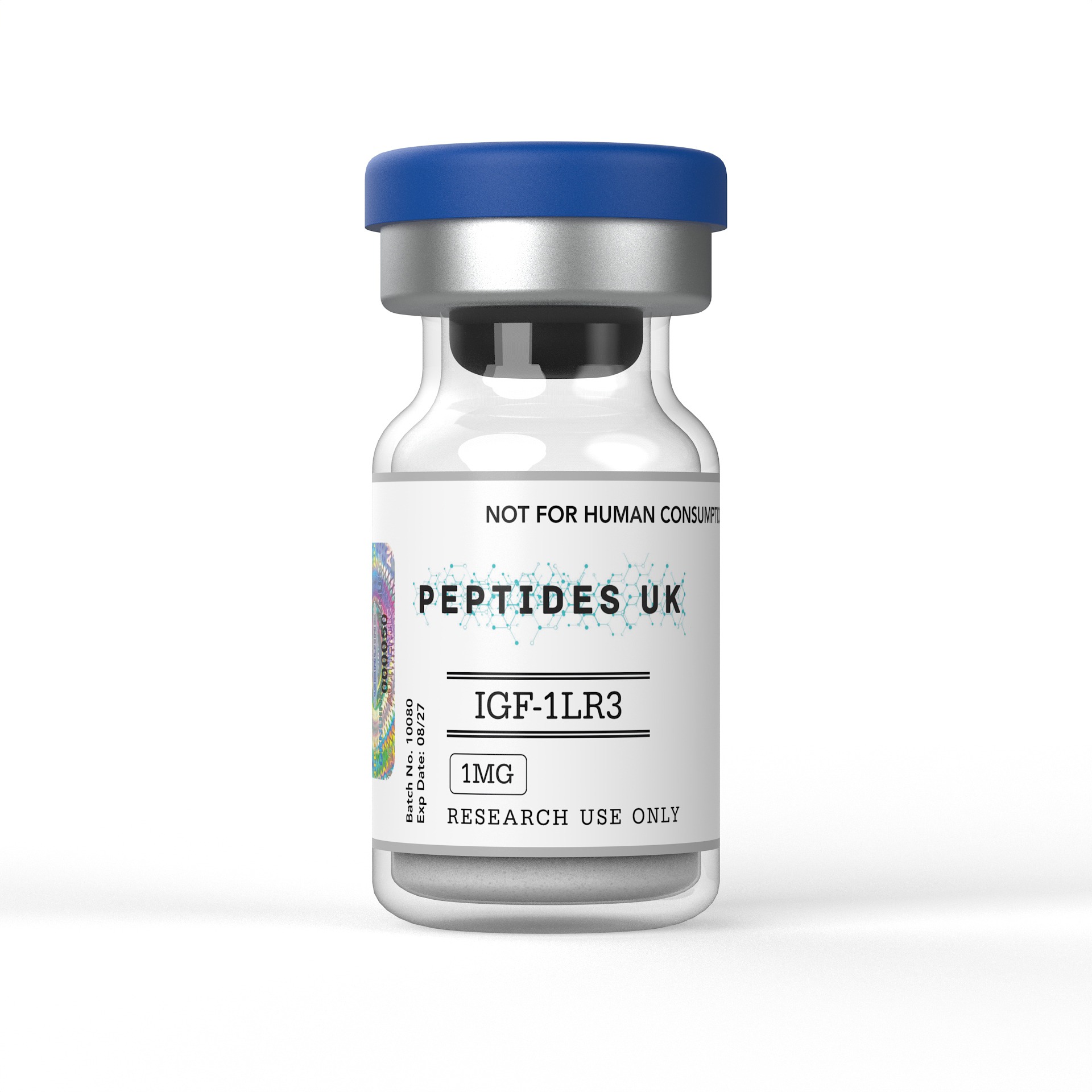
IGF-1 LR3 (Insulin-Like Growth Factor-1 Long R3) is a synthetic, extended-half-life analogue of naturally occurring IGF-1, studied extensively in cellular biology research for its potent influence on cell growth, proliferation, differentiation, and metabolic signalling — making it one of the most widely used growth factor research tools in pre-clinical science. Researchers and institutions across the UAE, Dubai, Abu Dhabi and the wider GCC can source verified, research-grade IGF-1 LR3 with fast international dispatch and full batch documentation included.
✅ ≥99% Purity — HPLC & Mass Spectrometry Verified
✅ Batch-Specific Certificate of Analysis (CoA) Included
✅ Sterile Lyophilised Powder | GMP Manufactured
✅ Fast International Dispatch to UAE & GCC
What is IGF-1 LR3?
IGF-1 LR3 (Long Arg3 IGF-1) is a synthetic analogue of Insulin-Like Growth Factor-1 — a naturally occurring peptide hormone produced primarily in the liver in response to growth hormone (GH) stimulation. It was engineered specifically as a research tool by modifying the native IGF-1 sequence in two key ways: replacing glutamic acid at position three with arginine (giving it the “R3” designation) and adding a 13-amino acid extension at the N-terminus (the “Long” component).
These modifications significantly reduce IGF-1 LR3’s binding to IGF binding proteins (IGFBPs) — proteins that normally sequester IGF-1 in circulation and limit its activity. The result is a compound with a substantially longer functional half-life than native IGF-1 and greater receptor availability, making it a more potent and sustained research tool for studying IGF-1 receptor signalling and downstream growth pathways. Its superior stability and activity profile compared to native IGF-1 have made IGF-1 LR3 the preferred form for laboratory research, with growing demand from research institutions across the UAE and GCC.
What Does IGF-1 LR3 Do in Research?
In controlled laboratory and pre-clinical settings, IGF-1 LR3 has been studied across a broad range of cellular and molecular research applications:
Cell Proliferation Research: IGF-1 LR3 is widely used in cell culture studies examining how IGF-1 receptor activation influences cell division and growth across multiple cell types including muscle, bone, neural, and epithelial tissue models.
Muscle Cell Biology: Studies have examined IGF-1 LR3’s effects on myocyte proliferation, differentiation, and protein synthesis signalling in skeletal muscle cell models — making it a relevant tool for laboratories studying muscle biology and anabolic signalling pathways.
IGF-1 Receptor Signalling: Research uses IGF-1 LR3 to characterise IGF-1R binding kinetics, receptor activation mechanisms, and the downstream PI3K/Akt and MAPK/ERK signalling cascades that mediate IGF-1’s cellular effects.
Growth Hormone Axis Research: As a key mediator of growth hormone action, IGF-1 LR3 is used in studies examining the GH/IGF-1 axis — exploring how growth hormone signalling translates into cellular growth and metabolic effects through IGF-1 receptor pathways.
Metabolic Research: Studies have examined IGF-1 LR3’s influence on glucose uptake, insulin receptor cross-reactivity, and cellular energy metabolism — reflecting the structural and functional similarities between IGF-1 and insulin signalling systems.
Bone and Cartilage Biology: Research has incorporated IGF-1 LR3 into models examining osteoblast and chondrocyte behaviour, bone matrix synthesis, and skeletal tissue development at the cellular level.
Neuroprotection and Neural Growth: Studies have examined IGF-1 LR3 in neural cell models for its role in neuronal survival, axonal growth, and neuroprotective signalling — reflecting IGF-1’s known role in brain development and neural maintenance.
Cancer Biology Research: IGF-1 receptor signalling is studied extensively in oncology research, and IGF-1 LR3 is used as a research tool to examine how IGF-1R activation influences cell survival, proliferation, and resistance mechanisms in cancer cell models.
All applications listed are research-based only. IGF-1 LR3 is not approved for human therapeutic use.
What Do Studies Say About IGF-1 LR3?
IGF-1 LR3 has developed an extensive pre-clinical research profile across multiple biological disciplines:
Cell biology studies have consistently documented IGF-1 LR3’s superior potency and sustained activity compared to native IGF-1 in receptor activation assays, validating its utility as a research tool for studies requiring prolonged IGF-1R engagement without frequent re-dosing in cell culture settings. Muscle biology research has used IGF-1 LR3 extensively to examine myogenic signalling pathways, with studies characterising its effects on satellite cell activation, myotube formation, and protein synthesis markers in skeletal muscle models. Metabolic research has explored the cross-reactivity between IGF-1 and insulin signalling systems using IGF-1 LR3 as a research probe, contributing to a broader understanding of how these related pathways interact in glucose metabolism and cellular energy regulation. Cancer biology studies have examined IGF-1 LR3 in tumour cell models to characterise how IGF-1R overexpression and activation influence cell survival and proliferative signalling — making it a relevant compound in oncology pathway research. Neural research has documented IGF-1 LR3’s neuroprotective properties in cellular models, with studies examining its influence on neuronal survival under stress conditions and its role in axonal growth and synaptic development research.
IGF-1 LR3 vs Native IGF-1 — Why Researchers Choose LR3
| Feature |
IGF-1 LR3 |
Native IGF-1 |
| Half-Life |
Significantly extended |
Short (~10-20 min) |
| IGFBP Binding |
Greatly reduced |
High binding affinity |
| Receptor Availability |
Higher |
Limited by IGFBPs |
| Research Potency |
Greater sustained activity |
Lower in practice |
| Preferred for Cell Culture |
Yes |
Less practical |
| Sequence Modification |
N-terminal extension + R3 substitution |
Unmodified |
Product Specifications
| Parameter |
Specification |
| Full Name |
IGF-1 Long R3 (Long Arg3 IGF-1) |
| Modification |
N-terminal 13-AA extension + Glu3→Arg3 |
| Purity |
≥99% (HPLC & MS Verified) |
| Form |
Sterile Lyophilised Powder |
| Solubility |
0.1% acetic acid, sterile water |
| Storage (powder) |
-20°C, protect from light |
| Storage (reconstituted) |
2–8°C, use within 2–4 weeks |
Buying IGF-1 LR3 in UAE — What’s Included
Every order of IGF-1 LR3 dispatched to the UAE and GCC includes:
- Batch-specific Certificate of Analysis (CoA)
- HPLC Chromatogram
- Mass Spectrometry Confirmation
- Sterility & Endotoxin Testing Report
- Reconstitution Protocol
- Technical Research Support
Frequently Asked Questions — IGF-1 LR3 UAE
Can I buy IGF-1 LR3 in the UAE?
Yes. We supply research-grade IGF-1 LR3 with international dispatch to the UAE, Dubai, Abu Dhabi, Sharjah and across the GCC. All orders include full batch documentation and are packaged to maintain peptide integrity throughout transit. This compound is supplied strictly for laboratory research use only.
What is the difference between IGF-1 LR3 and native IGF-1?
Native IGF-1 has a short functional half-life in research settings because it binds strongly to IGF binding proteins (IGFBPs), which limit its receptor availability and duration of action. IGF-1 LR3 was engineered to dramatically reduce IGFBP binding — through its N-terminal extension and arginine substitution — resulting in a compound with significantly longer functional activity and greater receptor engagement. This makes it a more practical and potent tool for cell culture and pre-clinical research compared to working with native IGF-1.
Why is IGF-1 receptor signalling important in research?
The IGF-1 receptor (IGF-1R) sits at the intersection of growth, metabolism, and survival signalling in virtually every cell type. It activates the PI3K/Akt pathway — central to cell survival and growth — and the MAPK/ERK pathway — involved in cell proliferation and differentiation. Because these pathways are relevant to muscle biology, cancer research, metabolic science, and neuroscience, IGF-1 LR3 is a broadly applicable research tool across multiple disciplines.
What is the recommended reconstitution solvent for IGF-1 LR3?
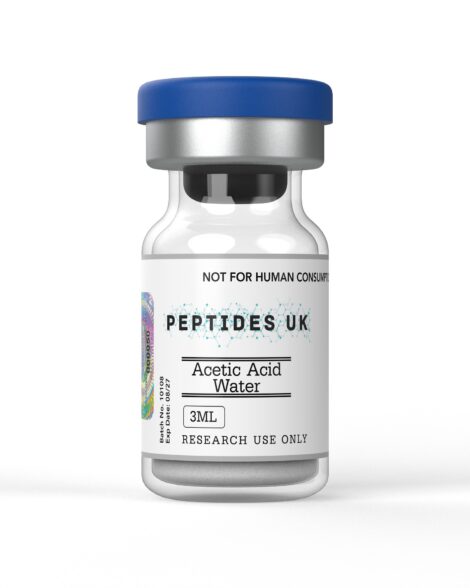
IGF-1 LR3 is typically reconstituted in 0.1% acetic acid solution, which helps maintain peptide stability and prevent aggregation. Sterile water can also be used depending on your protocol. Always allow the vial to reach room temperature before opening, add solvent slowly down the vial wall, and swirl gently without shaking. Aliquot immediately for longer-term storage at -80°C.
What purity is required for IGF-1 LR3 research?
A minimum of ≥98% is considered research grade, though ≥99% is strongly preferred for sensitive receptor binding assays, cell proliferation studies, and signalling pathway experiments where compound purity directly affects result accuracy and reproducibility. All our IGF-1 LR3 is independently verified to ≥99%.
How quickly is IGF-1 LR3 delivered to UAE?
Orders are dispatched promptly via tracked international courier. Delivery to the UAE typically takes 3–5 working days, with packaging designed to maintain peptide stability throughout transit.
Research Disclaimer: IGF-1 LR3 is supplied exclusively for legitimate scientific research purposes conducted within licensed laboratory environments. This product is not intended for human consumption, self-administration, or any therapeutic application. It must be handled by qualified researchers in compliance with applicable UAE regulations and institutional ethics guidelines. Handling should only be performed by qualified laboratory professionals in controlled research settings with appropriate institutional authorisations in place. By purchasing, you confirm that this compound will be used solely for approved in-vitro or pre-clinical research purposes.