PRODUCTS SOLD ON PEPTIDESLABUAE.COM ARE FOR RESEARCH PURPOSES ONLY AND ARE NOT FOR HUMAN OR VETERINARY USE.
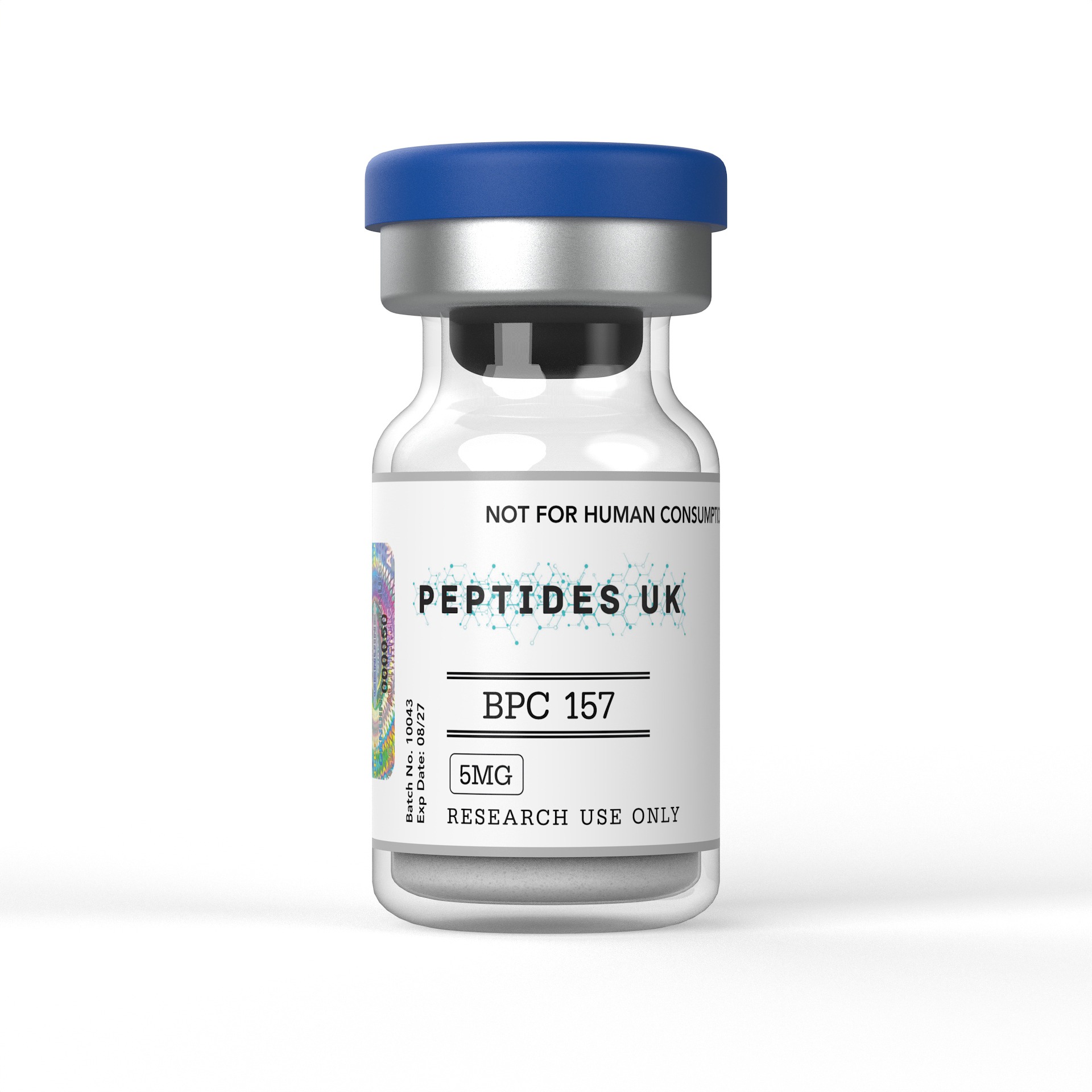
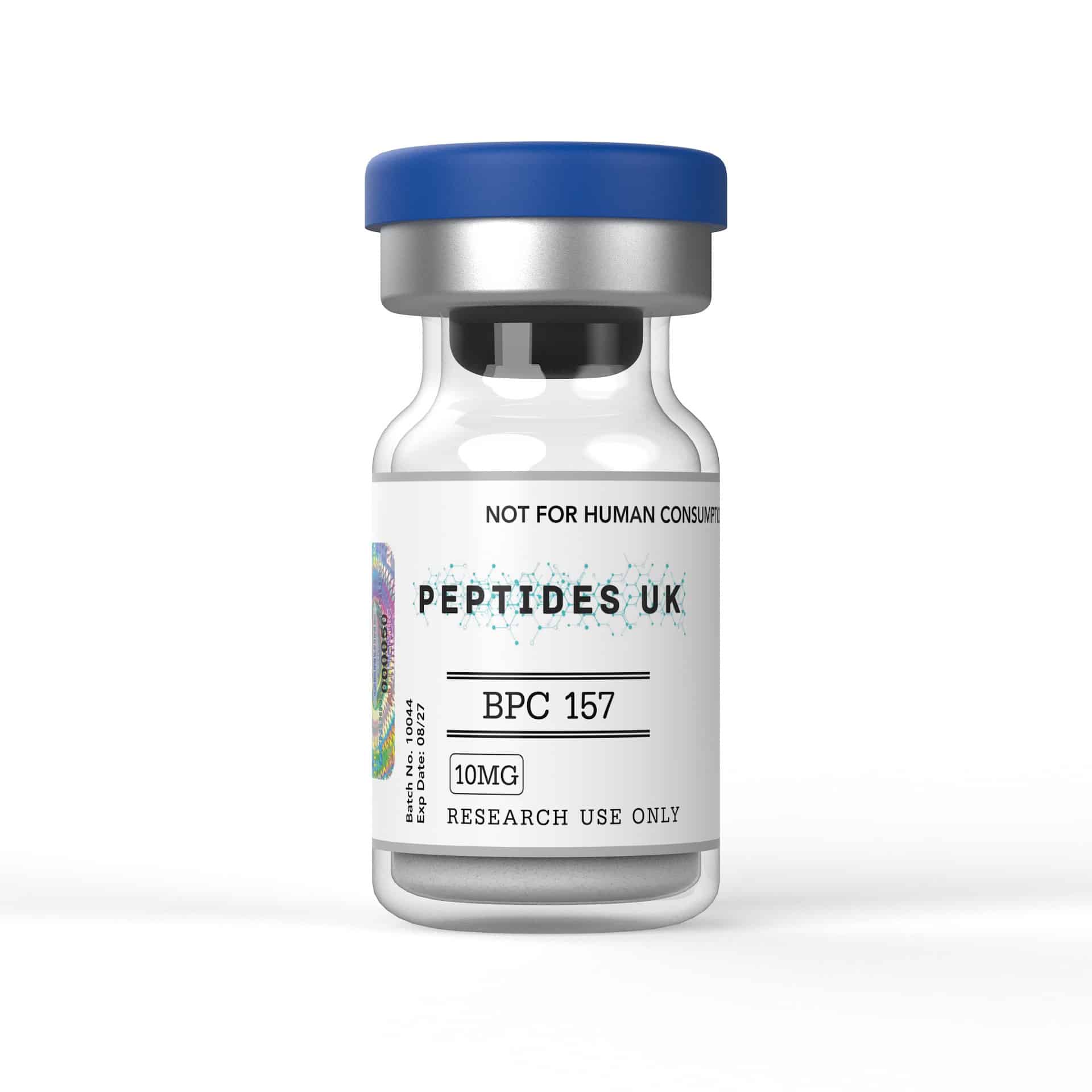
$17.99 – $33.99Price range: $17.99 through $33.99
Buy BPC-157 Peptide in UAE – In Stock & Ready to Ship
BPC-157 is a widely researched peptide known for its role in cellular repair and regenerative studies. Each batch is independently verified at ≥99% purity and comes with a full Certificate of Analysis (COA) and HPLC testing documentation — giving UAE research teams the confidence they need when sourcing peptides for serious work.
For research use only. Not intended for human or veterinary use.

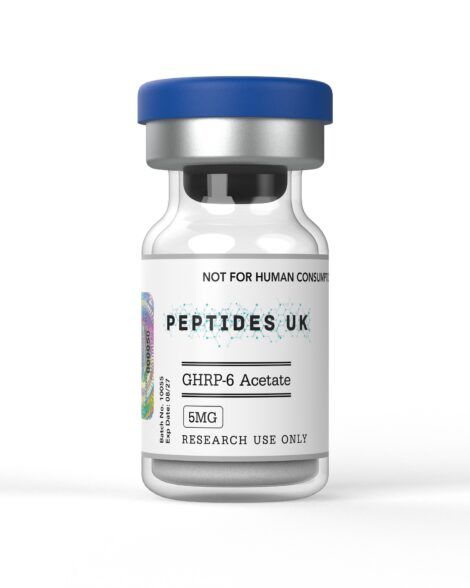
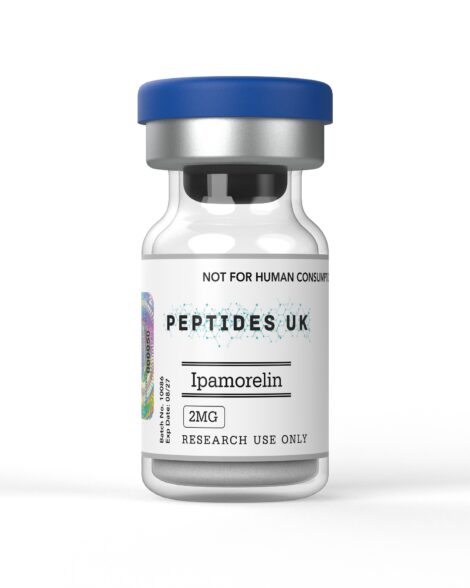
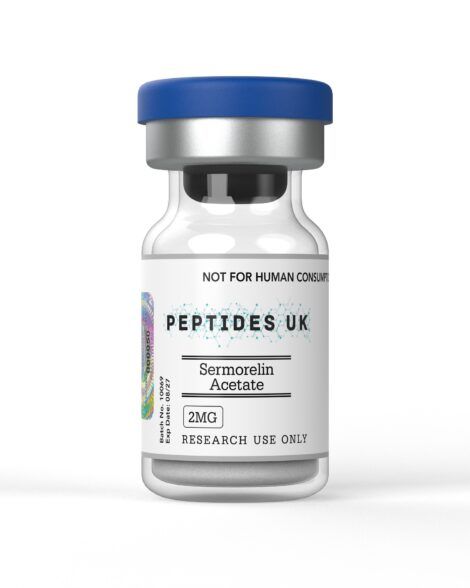
BPC-157 (Body Protection Compound-157) is a synthetic pentadecapeptide derived from a naturally occurring protein found in gastric juice, studied as one of the most versatile and extensively researched regenerative peptides in pre-clinical science — with a research profile spanning gut biology, tendon and ligament repair, angiogenesis, muscle tissue, neurological function, and wound healing models. Researchers and institutions across the UAE, Dubai, Abu Dhabi and the wider GCC can source verified, research-grade BPC-157 with fast international dispatch and full batch documentation included.
✅ ≥99% Purity — HPLC & Mass Spectrometry Verified ✅ Batch-Specific Certificate of Analysis (CoA) Included ✅ Sterile Lyophilised Powder | GMP Manufactured ✅ Fast International Dispatch to UAE & GCC
BPC-157 (Body Protection Compound-157) is a synthetic 15-amino acid peptide derived from a partial sequence of a naturally occurring cytoprotective protein found in human gastric juice. First identified and characterised by Croatian researcher Dr. Predrag Sikiric and colleagues at the University of Zagreb, BPC-157 has been in active pre-clinical research since the early 1990s — accumulating one of the most extensive and diverse research profiles of any peptide compound in regenerative biology.
What makes BPC-157 particularly notable as a research tool is the breadth of tissue types and biological systems in which it has demonstrated pre-clinical activity. Unlike many peptides that are studied within a single research niche, BPC-157 has been examined across gastrointestinal, musculoskeletal, vascular, dermal, and neurological tissue models — suggesting a broad influence on fundamental repair and regeneration mechanisms that operate across multiple tissue types. This versatility, combined with its well-documented safety profile in pre-clinical models and its stable behaviour in laboratory settings, has made it one of the most widely sourced research peptides globally. Research demand from institutions across the UAE and GCC continues to grow alongside the region’s expanding interest in regenerative biology and tissue repair research.
In controlled laboratory and pre-clinical research settings, BPC-157 has been studied across an exceptionally broad range of biological applications:
Gastrointestinal Research: BPC-157’s origins in gastric biology make gut repair one of its most studied research areas. Studies have examined its effects on intestinal mucosal healing, gut barrier function, ulcer models, and inflammatory bowel disease pathology in pre-clinical settings — with research exploring how it influences the integrity and repair capacity of gastrointestinal tissue.
Tendon and Ligament Healing Models: BPC-157 has become one of the most frequently used peptides in musculoskeletal repair research. Studies have examined its effects on tendon-to-bone healing, ligament repair, and collagen organisation in pre-clinical injury models — making it a central compound for laboratories studying connective tissue regeneration.
Angiogenesis Research: One of the most consistently documented effects of BPC-157 in pre-clinical studies is its influence on angiogenesis — the formation of new blood vessels. Research has examined how BPC-157 influences VEGF expression, endothelial cell behaviour, and vascular network development in wound and tissue repair models.
Muscle Tissue Research: Studies have examined BPC-157’s effects in skeletal muscle injury models, looking at how it influences satellite cell activity, myofibre repair, and inflammatory resolution in damaged muscle tissue.
Wound Healing Models: Research has incorporated BPC-157 into multiple wound healing models across different tissue types, examining its influence on fibroblast migration, collagen deposition, and the overall progression of tissue repair from injury through to resolution.
Neurological Research: BPC-157 has been studied in models examining neural recovery from injury, neuroprotection, and neurotransmitter system interactions — with studies exploring its behaviour in both peripheral nerve and central nervous system research contexts.
Inflammatory Modulation: Studies have examined BPC-157’s influence on inflammatory signalling pathways, cytokine profiles, and the resolution of acute and chronic inflammation in tissue injury models across multiple organ systems.
Growth Factor Pathway Research: Research has explored BPC-157’s influence on growth factor receptor expression — particularly its effects on growth hormone receptor upregulation and VEGF pathway activation — as potential mechanisms underlying its broad tissue repair activity.
Bone Healing Research: Pre-clinical studies have examined BPC-157 in bone fracture and defect models, looking at its influence on osteoblast activity, bone callus formation, and overall fracture healing parameters.
All applications listed are research-based only. BPC-157 is not approved for human therapeutic use.
BPC-157 has accumulated one of the largest and most diverse pre-clinical research profiles of any regenerative peptide:
Gastrointestinal research originating from the University of Zagreb and subsequently replicated by other institutions has consistently documented BPC-157’s protective and regenerative effects on gut mucosa in multiple ulcer and inflammatory bowel models — establishing a strong mechanistic foundation for its continued use in digestive biology research. Musculoskeletal studies have produced substantial evidence of BPC-157’s influence on tendon and ligament healing in animal models, with research reporting improved tissue organisation, collagen synthesis, and functional recovery parameters in controlled injury studies — making it one of the most referenced peptides in orthopaedic and sports biology research contexts. Angiogenesis research has documented BPC-157’s consistent ability to stimulate VEGF expression and new blood vessel formation in tissue repair models across multiple study groups — establishing this as one of its most reproducible and mechanistically relevant pre-clinical effects. Neurological research has explored BPC-157 in dopaminergic and serotonergic system models, with studies examining its influence on neurotransmitter system balance and recovery from various forms of neurological insult in animal research. Comparative pre-clinical safety research has documented a favourable profile for BPC-157 across multiple animal models and dosing conditions, contributing to its reputation as a well-tolerated research compound with a consistent experimental behaviour profile. Its broad activity across multiple tissue types — an unusual characteristic for a single peptide compound — has been a recurring focus of mechanistic discussion in the research literature, with studies examining growth hormone receptor upregulation as a potential unifying mechanism.
BPC-157 is frequently combined with other peptides in research protocols examining multi-pathway regenerative mechanisms:
| Stack | Compounds | Research Focus |
|---|---|---|
| Wolverine Stack | BPC-157 + TB-500 | Tissue repair / regeneration |
| Glow Stack | BPC-157 + TB-500 + GHK-Cu | Skin biology / collagen research |
| BPC + KPV | BPC-157 + KPV | Gut and inflammatory research |
| BPC + Ipamorelin | BPC-157 + Ipamorelin | Repair + GH axis research |
| Parameter | Specification |
|---|---|
| Full Name | BPC-157 (Body Protection Compound-157) |
| Length | 15 Amino Acids (Pentadecapeptide) |
| Sequence | Gly-Glu-Pro-Pro-Pro-Gly-Lys-Pro-Ala-Asp-Asp-Ala-Gly-Leu-Val |
| Purity | ≥99% (HPLC & MS Verified) |
| Form | Sterile Lyophilised Powder |
| Solubility | Sterile water, bacteriostatic water |
| Storage (powder) | -20°C, protect from light |
| Storage (reconstituted) | 2–8°C, use within 2–4 weeks |
Every order of BPC-157 dispatched to the UAE and GCC includes:
Can I buy BPC-157 in the UAE?
Yes. We supply research-grade BPC-157 with international dispatch to the UAE, Dubai, Abu Dhabi, Sharjah and across the GCC. All orders include full batch documentation and are packaged to maintain peptide integrity throughout transit. This compound is supplied strictly for laboratory research use only.
What does BPC stand for in BPC-157?
BPC stands for Body Protection Compound — a name reflecting the cytoprotective properties of the gastric protein from which this peptide sequence was originally derived. The “157” refers to its sequence position within the parent protein. It was named by the research team at the University of Zagreb who first isolated and characterised the peptide’s pre-clinical properties in the early 1990s.
Why is BPC-157 studied across so many different tissue types?
Most peptides exert their effects through a specific receptor or pathway that is present in limited tissue types. BPC-157’s broad pre-clinical activity across gut, tendon, muscle, nerve, bone, and vascular tissue has been a subject of significant mechanistic interest in the research literature. Studies have explored growth hormone receptor upregulation and VEGF pathway activation as potential mechanisms that could explain this multi-tissue activity — though the complete mechanistic picture remains an active area of investigation.
What is the difference between BPC-157 and TB-500 in research?
BPC-157 and TB-500 are both extensively studied in regenerative research but through entirely different mechanisms. BPC-157 is studied for its effects on growth factor pathways, angiogenesis, and gut biology. TB-500 acts through actin regulation and cell migration. Their different mechanisms make them complementary research tools — which is why they are frequently combined in research stacks like the Wolverine Stack for studies examining multi-pathway tissue repair.
What purity is required for BPC-157 research?
A minimum of ≥98% is considered research grade, though ≥99% is strongly preferred for sensitive assays, cell culture experiments, and in vivo pre-clinical studies where compound purity directly affects reproducibility and result accuracy. All our BPC-157 is independently verified to ≥99% purity.
How is BPC-157 reconstituted for laboratory use?
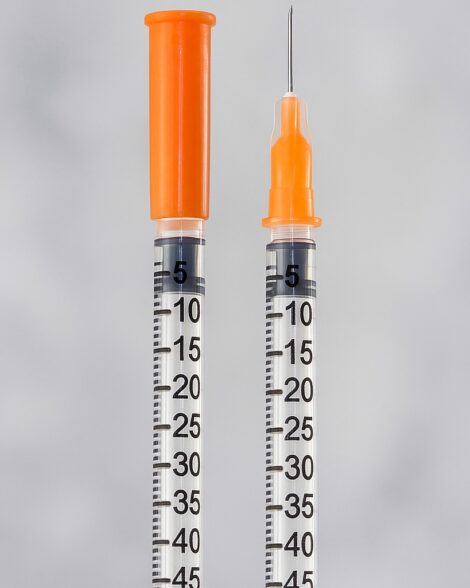
Allow the vial to reach room temperature before opening. Add sterile or bacteriostatic water slowly down the vial wall and swirl gently without shaking. BPC-157 dissolves readily in aqueous solution. Aliquot immediately if longer-term storage at -80°C is required to preserve peptide integrity and avoid freeze-thaw degradation across multiple experimental uses.
How quickly is BPC-157 delivered to UAE?
Orders are dispatched promptly via tracked international courier. Delivery to the UAE typically takes 3–5 working days, with packaging designed to maintain peptide stability throughout transit.
Research Disclaimer: BPC-157 is supplied exclusively for legitimate scientific research purposes conducted within licensed laboratory environments. This product is not intended for human consumption, self-administration, or any therapeutic application. It must be handled by qualified researchers in compliance with applicable UAE regulations and institutional ethics guidelines. Handling should only be performed by qualified laboratory professionals in controlled research settings with appropriate institutional authorisations in place. By purchasing, you confirm that this compound will be used solely for approved in-vitro or pre-clinical research purposes.

WhatsApp us
Receive News
