
PRODUCTS SOLD ON PEPTIDESLABUAE.COM ARE FOR RESEARCH PURPOSES ONLY AND ARE NOT FOR HUMAN OR VETERINARY USE.
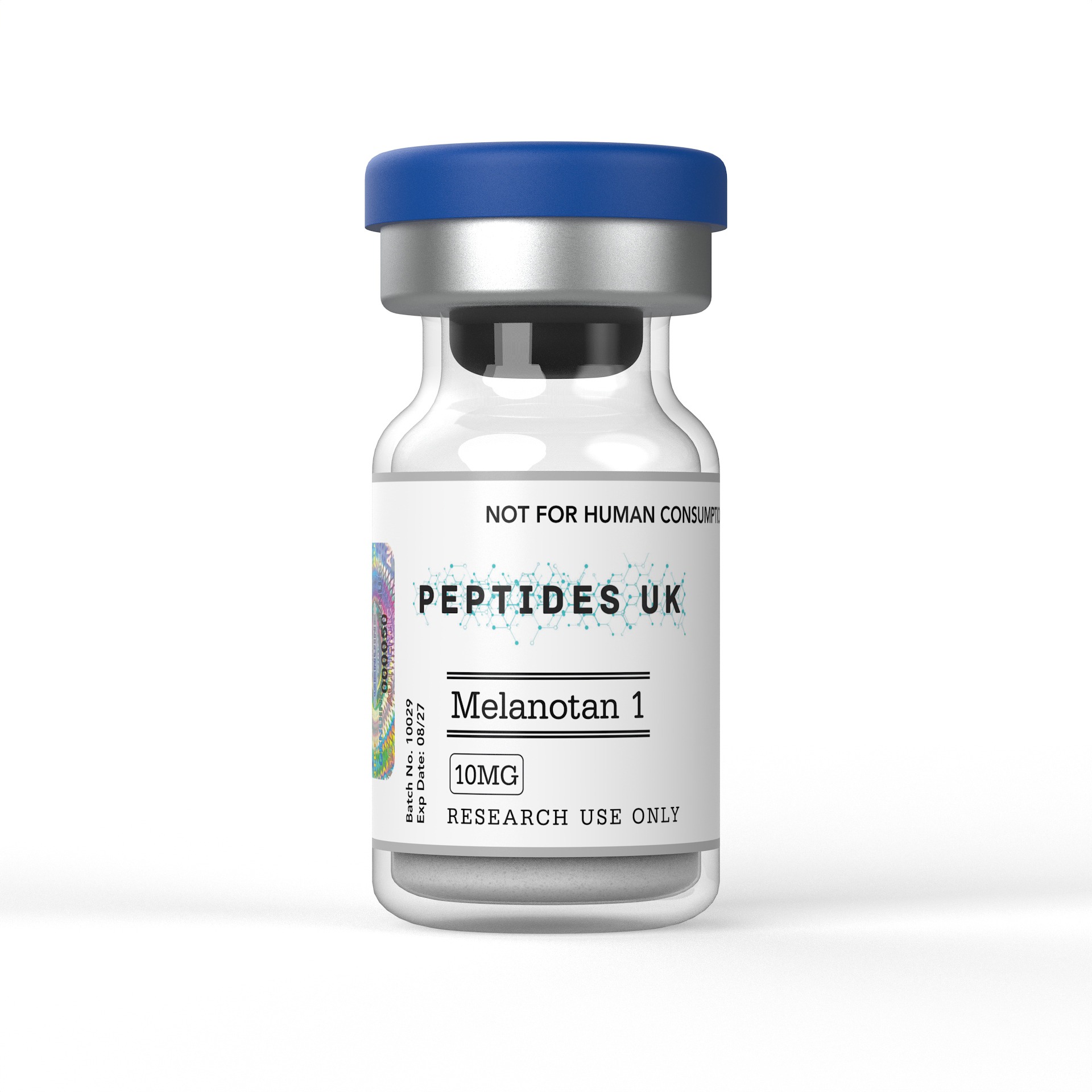
£49.99
Buy Melanotan 1 Peptide in UAE – In Stock & Ready to Ship
Melanotan 1 is a widely researched peptide known for its role in melanocortin receptor activation and skin pigmentation studies. Each batch is independently verified at ≥99% purity and comes with a full Certificate of Analysis (COA) and HPLC testing documentation — giving UAE research teams the confidence they need when sourcing peptides for serious work.
For research use only. Not intended for human or veterinary use.

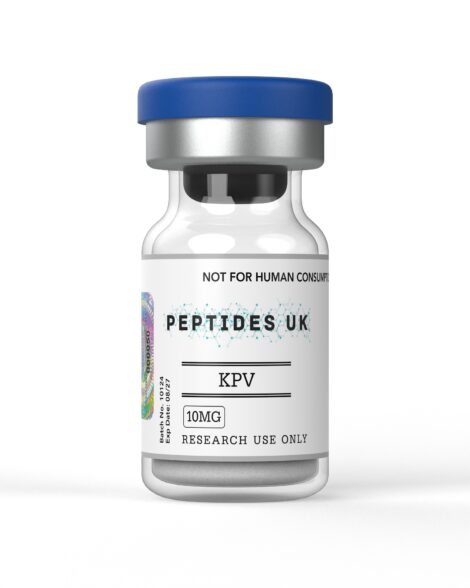
Melanotan 1 (Afamelanotide) is one of the most extensively studied and receptor-selectively characterised synthetic melanocortin peptides available to laboratories in the UAE — a tridecapeptide analogue of alpha-Melanocyte Stimulating Hormone (α-MSH) with a single amino acid substitution that confers significantly enhanced metabolic stability and extended half-life while maintaining high selectivity for MC1R on melanocytes, making it the most important research tool for studying melanocortin 1 receptor pharmacology, melanogenesis pathway biology, photoprotection mechanisms, and MC1R-mediated anti-inflammatory signalling independently of the central MC3R/MC4R effects associated with other melanocortin peptides. Researchers and institutions across the UAE, Dubai, Abu Dhabi and the wider GCC can source verified, research-grade Melanotan 1 with fast international dispatch and full batch documentation included.
✅ ≥99% Purity — HPLC & Mass Spectrometry Verified
✅ Batch-Specific Certificate of Analysis (CoA)
✅ Sterile Lyophilised Powder | GMP Manufactured
✅ Fast International Dispatch to UAE & GCC
Melanotan 1 — generically known as Afamelanotide — is a synthetic tridecapeptide analogue of alpha-Melanocyte Stimulating Hormone (α-MSH), a 13 amino acid neuropeptide derived from pro-opiomelanocortin (POMC). The structural distinction between Melanotan 1 and native α-MSH is a single amino acid substitution — replacement of the methionine residue at position 4 with a norleucine residue — which eliminates methionine’s susceptibility to oxidative degradation and substantially improves the peptide’s metabolic stability and resistance to enzymatic breakdown. This single substitution extends Melanotan 1’s half-life from the very short duration of native α-MSH to a research-practically useful window while preserving the complete receptor binding profile of the parent peptide.
Melanotan 1 acts through the melanocortin receptor family — five G-protein coupled receptors (MC1R through MC5R) that respond to POMC-derived melanocortin peptides. Among these, Melanotan 1’s primary and most research-significant target is MC1R — the Melanocortin 1 Receptor expressed predominantly on melanocytes, the pigment-producing cells of the skin and hair follicles. MC1R activation by Melanotan 1 triggers the classic melanogenesis signalling cascade: Gs-coupled adenylyl cyclase activation raises intracellular cAMP, which activates PKA and downstream MITF (Microphthalmia-associated Transcription Factor) — the master regulator of melanocyte biology that drives expression of melanogenic enzymes including tyrosinase, TYRP1, and DCT, promoting eumelanin synthesis and melanin transfer to keratinocytes.
What distinguishes Melanotan 1 from Melanotan 2 and PT-141 as a research tool is its relative selectivity for MC1R over central melanocortin receptors MC3R and MC4R — making it a more focused research compound for studying peripheral melanocyte biology, skin photoprotection mechanisms, and MC1R-mediated signalling without the significant central nervous system and sexual behaviour effects associated with the more promiscuous receptor profiles of other melanocortin analogues. This MC1R-focused profile has made Melanotan 1 the reference melanocortin compound for dermatological and photoprotection biology research.
In laboratory settings, Melanotan 1 research is centred on its MC1R activation on melanocytes and the downstream melanogenesis, photoprotection, and anti-inflammatory effects this produces in experimental models. Research applications include:
Its relative MC1R selectivity — producing melanogenic and photoprotective effects with reduced central MC3R/MC4R activity compared to Melanotan 2 — makes Melanotan 1 the most focused and peripherally acting research tool for studying melanocyte biology and MC1R pharmacology in isolation. All applications are for research use only.
Melanotan 1 has developed one of the most well-characterised and clinically referenced research profiles among synthetic melanocortin peptides:
MC1R pharmacology research has comprehensively characterised Melanotan 1’s binding profile — with studies confirming its high affinity MC1R engagement and improved metabolic stability over native α-MSH, documenting the intracellular signalling cascade from MC1R activation through Gs-cAMP-PKA to MITF activation and melanogenic enzyme upregulation. These foundational studies established Melanotan 1 as the reference MC1R agonist for melanocyte biology research and validated the norleucine substitution strategy as an effective approach to improving melanocortin peptide stability without compromising receptor pharmacology.
Melanogenesis research has documented Melanotan 1’s stimulation of eumelanin synthesis in melanocyte cell models and pre-clinical animal studies — characterising the pathway from MC1R activation through MITF-driven tyrosinase upregulation to increased melanin production and transfer to keratinocytes. Studies examining the differential effects of Melanotan 1 on eumelanin vs phaeomelanin production have contributed to the broader understanding of how MC1R signalling quality and duration influence pigmentation type — relevant to research examining MC1R’s role in UV photoprotection biology.
Photoprotection research has used Melanotan 1 to examine how MC1R-mediated melanogenesis influences cellular responses to UV radiation — with studies documenting reduced UV-induced DNA damage markers, enhanced nucleotide excision repair pathway activity, and reduced oxidative stress parameters in melanocyte and skin models under Melanotan 1 pre-treatment. These findings have established MC1R activation as a research model for studying how melanogenesis and its associated cellular responses contribute to photoprotection beyond simple UV absorption by melanin pigment.
Anti-inflammatory research has characterised MC1R’s anti-inflammatory signalling in melanocytes and other MC1R-expressing cells — with studies documenting Melanotan 1-induced suppression of NF-κB pathway activation, reduced pro-inflammatory cytokine production, and modulation of immune cell function through MC1R engagement. These anti-inflammatory findings have revealed that MC1R activation produces cellular effects beyond melanogenesis — connecting melanocortin receptor biology to broader skin immune regulation research.
Erythropoietic protoporphyria research has produced some of the most clinically referenced Melanotan 1 findings — with clinical studies examining Afamelanotide’s effects on phototoxic reactions in EPP patients, documenting significant increases in pain-free sun exposure time and reduced phototoxic reaction frequency. These studies have validated MC1R-targeted melanocortin pharmacology in human subjects and generated significant research interest in MC1R activation as a research approach to studying photoprotection biology and light sensitivity mechanisms.
MC1R genetic variant research has examined how natural MC1R polymorphisms — associated with red hair, fair skin, and increased UV sensitivity phenotypes — influence Melanotan 1’s pharmacological effects, receptor binding characteristics, and downstream melanogenic responses. These pharmacogenomic studies have contributed to understanding how MC1R variant status modulates melanocortin receptor pharmacology and have made Melanotan 1 a useful research tool for studying genotype-dependent melanocyte biology.
| Compound | Type | Primary Receptor | Melanogenic | Central Activity | Selectivity | Research Profile |
|---|---|---|---|---|---|---|
| Melanotan 1 (Afamelanotide) | α-MSH analogue — norleucine | MC1R — peripheral | Strong | Minimal | MC1R selective | Extensively studied |
| Melanotan 2 | Cyclic α-MSH analogue | MC1R + MC3R + MC4R | Strong | Strong | Broad | Extensively studied |
| PT-141 (Bremelanotide) | Cyclic heptapeptide | MC3R + MC4R | Minimal | Strong | Central focused | Well-documented |
| α-MSH (native) | Endogenous tridecapeptide | MC1R–MC5R | Moderate | Moderate | Broad | Extensively studied |
| Setmelanotide | MC4R selective agonist | MC4R selective | Minimal | Moderate | MC4R selective | Growing |
| MTII | Cyclic melanocortin agonist | MC3R + MC4R | Moderate | Strong | Central focused | Well-documented |
| Parameter | Detail |
|---|---|
| Type | Synthetic Tridecapeptide Melanocortin Analogue |
| Generic Name | Afamelanotide |
| Also Known As | Melanotan I, MT-1, CUV1647 |
| Parent Peptide | α-MSH (alpha-Melanocyte Stimulating Hormone) |
| Key Substitution | Met4 → Nle4 (norleucine for stability) |
| Primary Receptor | MC1R — melanocyte melanocortin receptor |
| Chain Length | 13 Amino Acids |
| Purity | ≥99% |
| Verification | HPLC & Mass Spectrometry |
| Form | Lyophilised Powder |
| Solubility | Sterile water or suitable laboratory buffer |
| Storage | -20°C, protected from light and moisture |
| Intended Use | Research use only |
Every order dispatched to the UAE and GCC includes:
Yes. We supply research-grade Melanotan 1 with international dispatch to the UAE, Dubai, Abu Dhabi, Sharjah and across the GCC. All orders include full batch documentation and are packaged to maintain peptide integrity throughout transit. This compound is supplied strictly for laboratory research use only.
Melanotan 1 and Melanotan 2 are structurally related α-MSH analogues but differ significantly in receptor selectivity profile and research applications. Melanotan 1 is a linear tridecapeptide with relative MC1R selectivity — producing primarily peripheral melanogenic and photoprotective effects with minimal central nervous system activity. Melanotan 2 is a shorter cyclic heptapeptide with broader receptor activity across MC1R, MC3R, and MC4R — producing strong melanogenic effects alongside significant central MC3R/MC4R-mediated effects including sexual behaviour modulation and appetite suppression. For research focused specifically on MC1R biology, melanocyte pharmacology, and photoprotection mechanisms without central melanocortin confounds, Melanotan 1 is the more selective and appropriate research tool.
MC1R (Melanocortin 1 Receptor) is a G-protein coupled receptor expressed predominantly on melanocytes — the pigment-producing cells of skin and hair follicles. It is the primary receptor mediating the melanogenic response to UV radiation and melanocortin peptides, activating the cAMP-PKA-MITF signalling cascade that drives eumelanin synthesis. MC1R is also expressed on immune cells including macrophages and dendritic cells, where its activation produces anti-inflammatory effects. Research has identified MC1R as a key determinant of UV photoprotection capacity — with loss-of-function MC1R variants strongly associated with fair skin, red hair, and increased UV sensitivity phenotypes, establishing MC1R as the central molecular target in melanocyte photoprotection biology.
Native α-MSH contains a methionine residue at position 4 that is susceptible to oxidative degradation — particularly in the presence of reactive oxygen species — significantly shortening its half-life and limiting its research utility. Melanotan 1 replaces this methionine with norleucine — a structurally similar but oxidation-resistant amino acid — eliminating this degradation pathway and substantially extending metabolic stability while preserving the complete receptor binding geometry of the native sequence. This single substitution transforms α-MSH from a research-impractical rapidly degraded peptide into a metabolically stable compound suitable for controlled laboratory protocols, establishing the norleucine substitution as a foundational strategy in melanocortin peptide research and medicinal chemistry.
Studies have examined Melanotan 1’s MC1R-mediated effects on cellular responses to UV radiation — documenting not only increased melanin production that provides direct UV absorption protection but also enhanced DNA repair pathway activity, reduced UV-induced oxidative stress markers, and decreased UV-induced apoptosis in melanocyte and skin cell models. These findings suggest MC1R activation produces photoprotective effects through multiple parallel mechanisms beyond melanin production alone — connecting MC1R signalling to DNA integrity maintenance, oxidative stress management, and cell survival pathways that collectively reduce UV-induced cellular damage in skin biology research models.
MC1R is expressed on multiple immune cell types beyond melanocytes — including macrophages, dendritic cells, and neutrophils — where its activation produces anti-inflammatory effects through suppression of NF-κB pathway activation and reduction of pro-inflammatory cytokine production. Studies using Melanotan 1 have characterised these anti-inflammatory effects in skin immune biology models — documenting reduced IL-1β, TNF-α, and other inflammatory mediator production under MC1R stimulation. This anti-inflammatory dimension of MC1R biology has expanded Melanotan 1’s research relevance beyond pure melanogenesis into skin immunology and has established MC1R as a research target at the intersection of pigmentation biology and cutaneous immune regulation.
Allow the vial to reach room temperature before opening. Add sterile water or appropriate laboratory buffer slowly down the vial wall and swirl gently without shaking. Prepare at your protocol’s required concentration. The norleucine substitution provides improved oxidative stability compared to native α-MSH — however standard peptide handling protocols should still be followed to preserve biological activity. Aliquot and store at -80°C to minimise freeze-thaw degradation and maintain peptide integrity between experimental sessions. Protect reconstituted solutions from light exposure given the photosensitive nature of melanocortin peptide research.
Orders are dispatched promptly via tracked international courier. Delivery to the UAE typically takes 3–5 working days, with packaging designed to maintain peptide stability and integrity throughout transit.
Melanotan 1 (Afamelanotide) is supplied exclusively for legitimate scientific research conducted within licensed laboratory environments. This product is not intended for human consumption, self-administration, or any therapeutic or veterinary application. It must be handled solely by qualified researchers in compliance with applicable UAE regulations and institutional ethics guidelines. By purchasing, you confirm this compound will be used exclusively for approved in vitro or pre-clinical research purposes.
WhatsApp us
Receive News
