
PRODUCTS SOLD ON PEPTIDESLABUAE.COM ARE FOR RESEARCH PURPOSES ONLY AND ARE NOT FOR HUMAN OR VETERINARY USE.
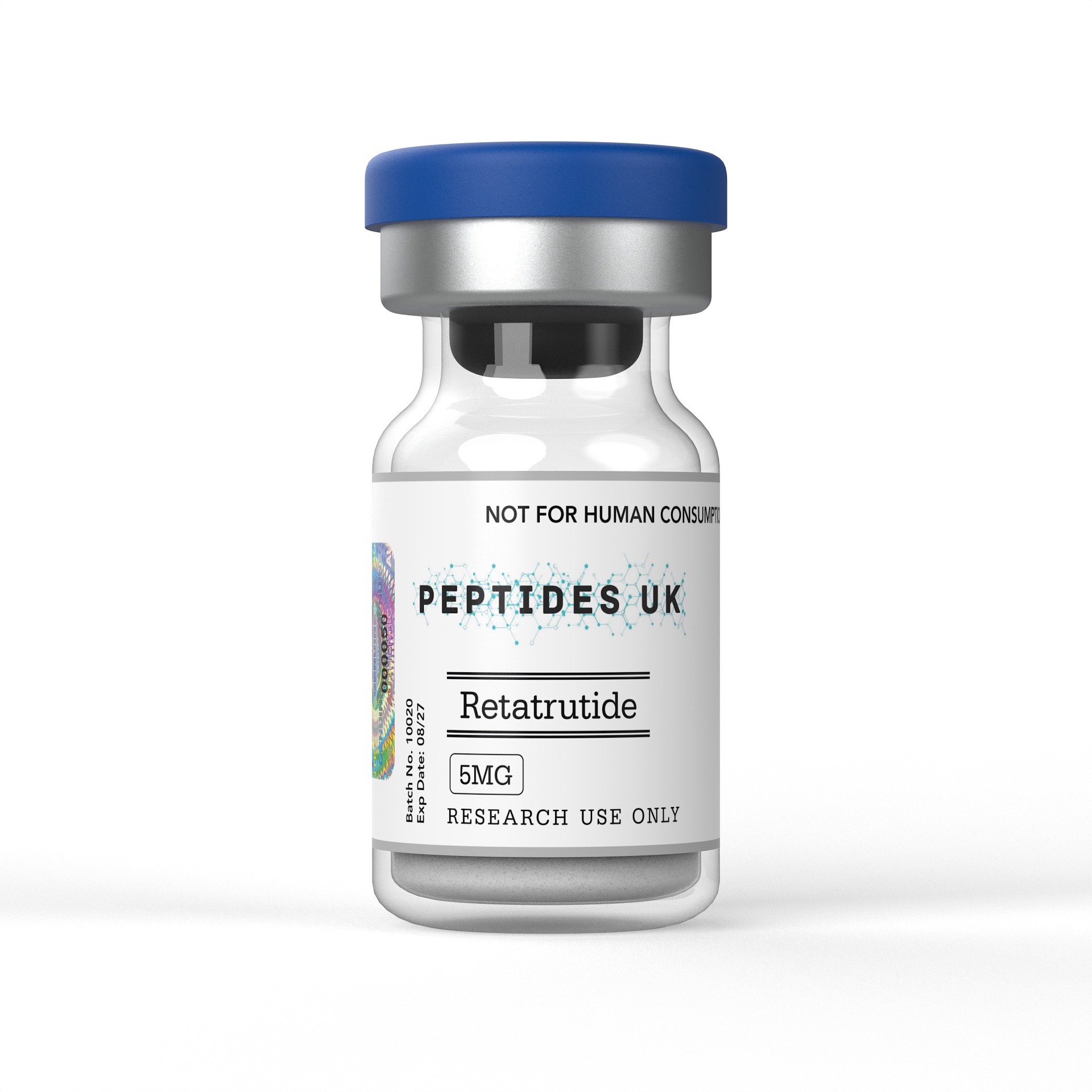
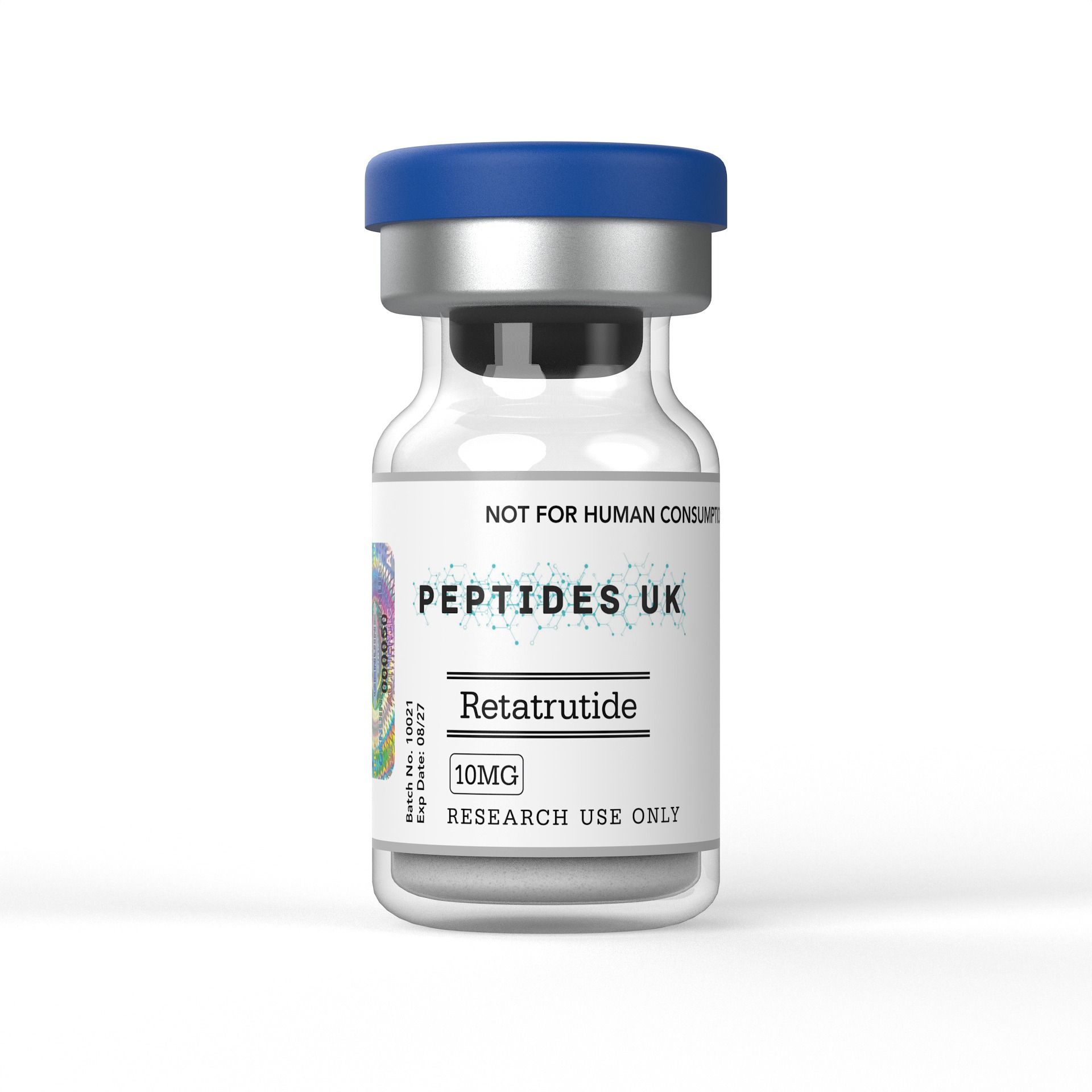
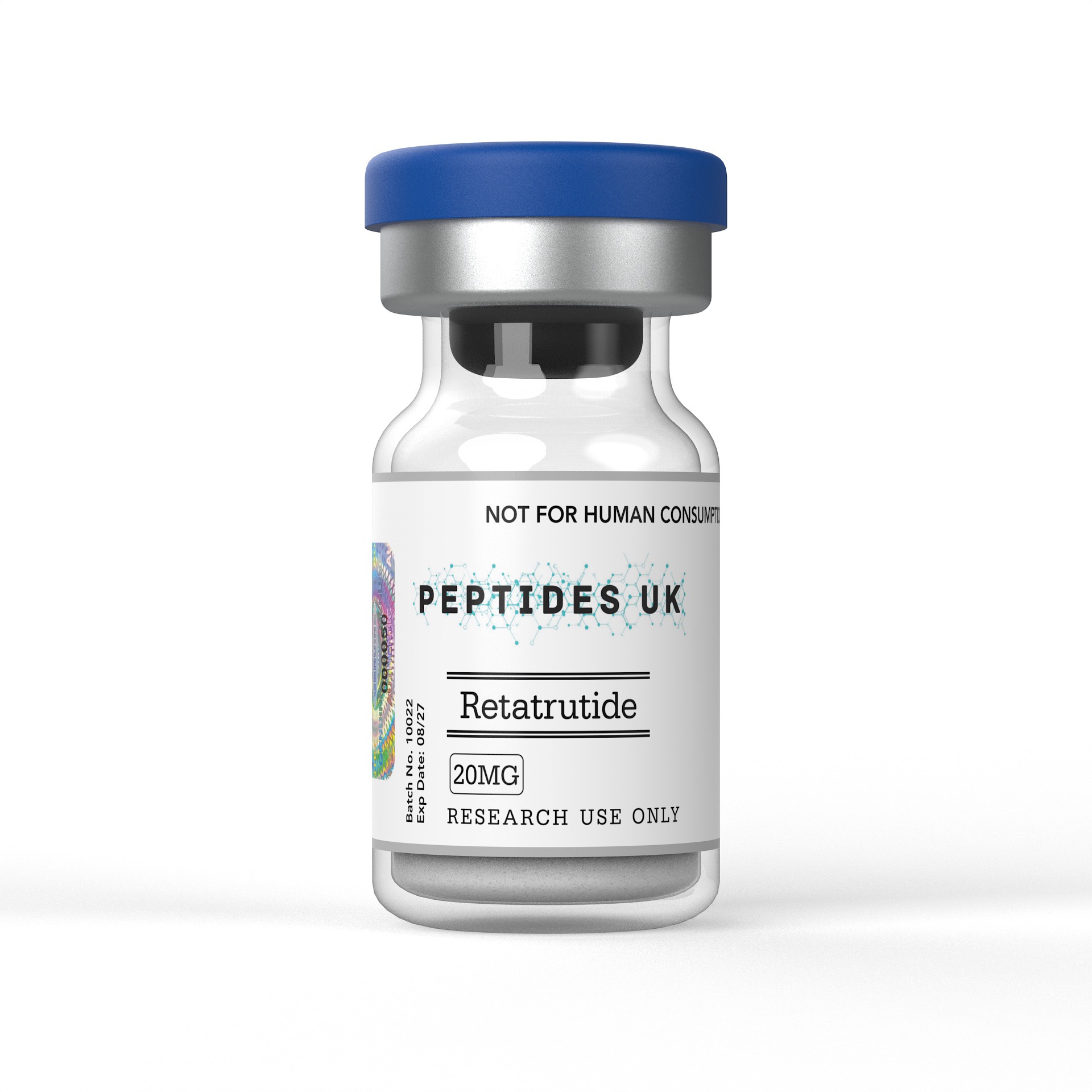
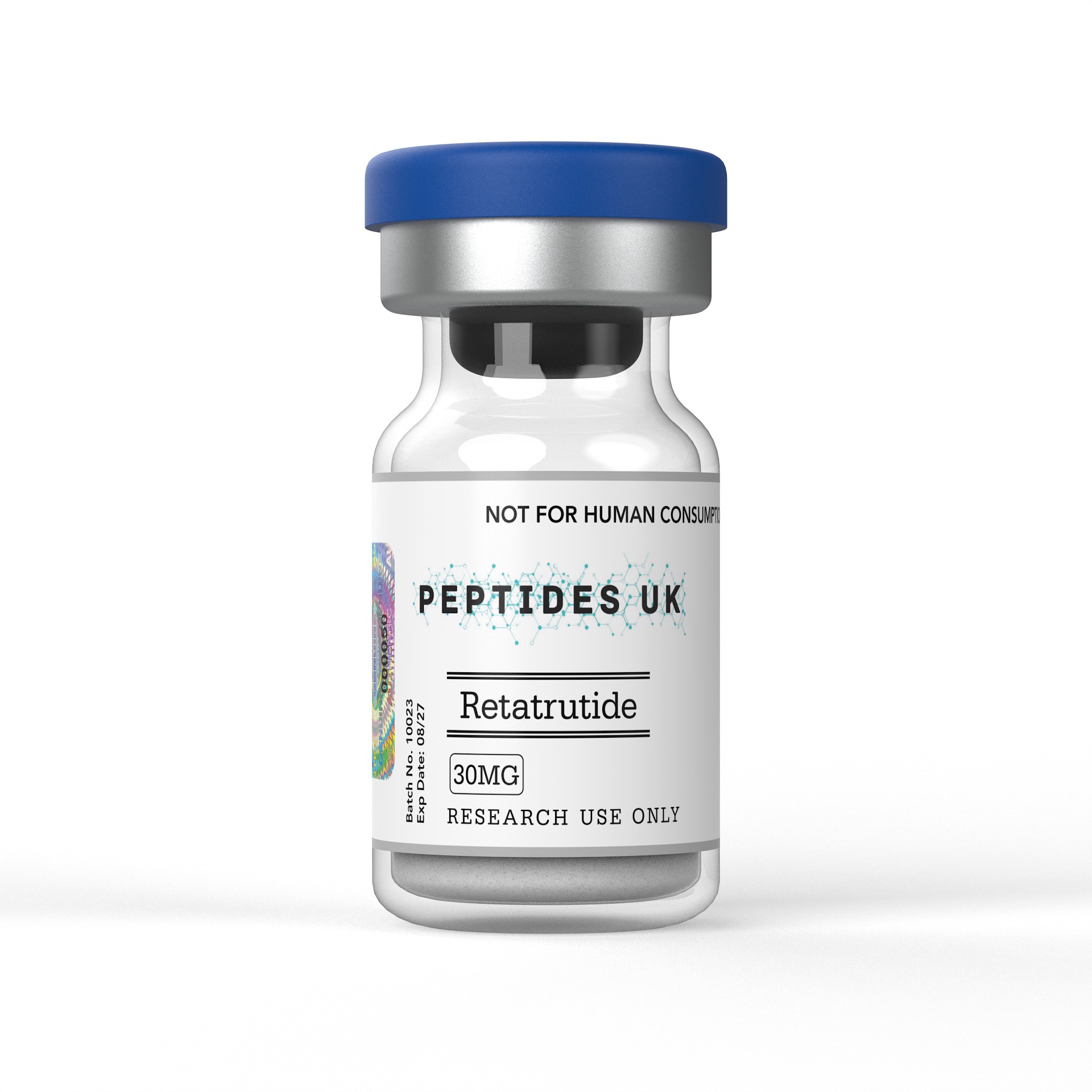
£57.99 – £246.00Price range: £57.99 through £246.00
Buy Retatrutide Peptide in UAE – In Stock & Ready to Ship
Retatrutide is a widely researched peptide known for its role in metabolic regulation and triple receptor agonist studies. Retatrutide is a next-generation triple agonist (GLP-1, GIP, and GCGR) widely examined in laboratory studies focused on energy balance, metabolic regulation, and multi-pathway peptide signalling. Each batch is independently verified at ≥99% purity and comes with a full Certificate of Analysis (COA) and HPLC testing documentation — giving UAE research teams the confidence they need when sourcing peptides for serious work.
For research use only. Not intended for human or veterinary use.

Retatrutide is a triple-receptor agonist peptide studied in metabolic research for its simultaneous activation of GLP-1, GIP, and glucagon receptors — making it the most advanced multi-pathway metabolic research compound currently available and representing the next generation beyond dual-receptor peptides like Tirzepatide and Semaglutide. Researchers and institutions across the UAE, Dubai, Abu Dhabi and the wider GCC can source verified, research-grade Retatrutide with fast international dispatch and full batch documentation included.
Available Sizes: 5mg | 10mg | 15mg | 20mg | 30mg
✅ ≥99% Purity — HPLC Verified | Optima Labs Certified
✅ Batch-Specific Certificate of Analysis (CoA) — Verifiable at optimalabs.org
✅ Sterile Lyophilised Powder | 3ml Sterile Vials
✅ Fast International Dispatch to UAE & GCC
Retatrutide is a synthetic peptide designed as a triple agonist — a single compound engineered to simultaneously activate three distinct metabolic receptor systems: GLP-1 receptors (glucagon-like peptide-1), GIP receptors (glucose-dependent insulinotropic polypeptide), and glucagon receptors. This triple-receptor approach positions Retatrutide as the most mechanistically complex metabolic peptide currently in active research — building on the dual-receptor framework of Tirzepatide by adding glucagon receptor co-activation as a third pathway.
Where Tirzepatide combines GLP-1 and GIP receptor agonism, and Mazdutide combines GLP-1 and glucagon receptor agonism, Retatrutide brings all three pathways together in a single molecule. Each receptor system contributes distinct metabolic effects — GLP-1 influencing insulin secretion and appetite, GIP influencing incretin response and fat cell biology, and glucagon driving energy expenditure and hepatic fat metabolism. The interaction between these three simultaneously activated pathways is the central subject of Retatrutide’s research profile, making it a uniquely valuable tool for laboratories studying the full spectrum of metabolic regulation. Research interest from institutions across the UAE and GCC has grown rapidly alongside the broader global expansion of metabolic peptide research.
In controlled laboratory and pre-clinical research settings, Retatrutide has been studied across several interconnected metabolic research applications:
Triple Receptor Co-Activation: Retatrutide’s primary and defining research characteristic is its simultaneous engagement of GLP-1R, GIPR, and glucagon receptors. Studies examine how activating all three pathways simultaneously influences metabolic outcomes — exploring whether the triple-agonist approach produces additive or synergistic effects beyond what dual-receptor compounds alone can achieve.
Energy Expenditure Research: Glucagon receptor activation is associated with increased metabolic rate and energy expenditure in pre-clinical models. Studies use Retatrutide to examine how adding glucagon receptor co-activation to combined GLP-1/GIP agonism further influences energy balance parameters compared to dual-receptor compounds.
Glucose Metabolism Studies: All three receptor systems are involved in aspects of glucose regulation. Research has examined how Retatrutide’s triple-pathway engagement influences insulin secretion, glucagon suppression, hepatic glucose output, and overall glucose homeostasis in metabolic cell and animal models.
Body Composition Research: Pre-clinical studies have examined Retatrutide’s effects on body weight, fat mass reduction, and lean mass preservation in animal models of obesity — with early research suggesting the triple-agonist profile may produce more pronounced body composition changes than dual-receptor compounds in controlled experimental conditions.
Hepatic Fat Metabolism: Glucagon receptor signalling plays a meaningful role in hepatic lipid regulation and fat oxidation. Studies have incorporated Retatrutide into models examining liver fat accumulation and hepatic metabolic function — an area where the glucagon component may contribute distinctly to the overall research profile.
Appetite and Satiety Signalling: GLP-1 and GIP receptors are both involved in central and peripheral appetite regulation. Research has examined how Retatrutide influences food intake behaviour and satiety-related neuropeptide expression in pre-clinical models, and whether the glucagon component modifies these signals.
Comparative Metabolic Research: Retatrutide is increasingly used in comparative studies examining how triple-receptor agonism differs from dual-receptor and single-receptor approaches — providing mechanistic insights into the relative contribution of each receptor pathway to overall metabolic outcomes.
Lipid Profile Research: Studies have examined Retatrutide’s effects on lipid metabolism markers in pre-clinical models, exploring how the combined GIP and glucagon receptor components influence fat handling across adipose and hepatic tissue simultaneously.
All applications listed are research-based only. Retatrutide is not approved for human therapeutic use.
Retatrutide has developed one of the most rapidly growing pre-clinical research profiles of any metabolic peptide currently in active study:
Pre-clinical metabolic research in obese animal models has reported body weight and fat mass reductions with Retatrutide that exceed those observed with dual-receptor compounds including Tirzepatide at comparable doses — suggesting that the addition of glucagon receptor engagement to combined GLP-1/GIP agonism produces meaningfully greater metabolic effects in experimental settings. Energy expenditure research has documented increases in metabolic rate markers in pre-clinical models treated with Retatrutide, with studies attributing this in part to the glucagon receptor component — which is known to increase thermogenic and fat oxidation activity independently of the incretin pathways. Hepatic metabolism research has examined Retatrutide’s influence on liver fat markers in pre-clinical models of non-alcoholic fatty liver disease, with studies exploring how combined GLP-1, GIP, and glucagon receptor activation affects hepatic lipid handling compared to dual-receptor compounds. Comparative studies positioning Retatrutide alongside Semaglutide and Tirzepatide have consistently reported more pronounced changes in body composition and metabolic parameters with the triple-agonist compound — establishing a clear mechanistic rationale for the triple-receptor approach in metabolic research. Its position as the most advanced compound in the incretin-plus-glucagon receptor research class has made Retatrutide a focal point for laboratories studying the frontiers of metabolic peptide pharmacology.
| Feature | Retatrutide | Tirzepatide | Semaglutide | Mazdutide |
|---|---|---|---|---|
| Receptor Targets | GLP-1 + GIP + Glucagon | GLP-1 + GIP | GLP-1 only | GLP-1 + Glucagon |
| Agonist Class | Triple agonist | Dual agonist | Single agonist | Dual agonist |
| Glucagon Pathway | Yes | No | No | Yes |
| GIP Pathway | Yes | Yes | No | No |
| Energy Expenditure | High (glucagon) | Moderate | Moderate | High (glucagon) |
| Hepatic Fat Research | Yes | Limited | Limited | Yes |
| Research Generation | Third generation | Second generation | Established | Second generation |
| Research Profile | Rapidly growing | Very extensive | Extensive | Growing |
| Parameter | Specification |
|---|---|
| Type | Triple GLP-1 / GIP / Glucagon Receptor Agonist |
| Purity | ≥99% (HPLC Verified — Optima Labs) |
| Form | Sterile Lyophilised Powder |
| Vial Format | 3ml Sterile Vials |
| Available Sizes | 5mg, 10mg, 15mg, 20mg, 30mg |
| Solubility | Bacteriostatic water, sterile water, dilute acetic acid |
| Storage (powder) | -20°C, protect from light and moisture |
| Storage (reconstituted) | 2–8°C, use within study timeframe |
| CoA Verification | optimalabs.org |
Every order of Retatrutide dispatched to the UAE and GCC includes:
Can I buy Retatrutide in the UAE?
Yes. We supply research-grade Retatrutide with international dispatch to the UAE, Dubai, Abu Dhabi, Sharjah and across the GCC. All orders include full batch documentation verifiable through Optima Labs and are packaged to maintain peptide integrity throughout transit. This compound is supplied strictly for laboratory research use only.
What makes Retatrutide different from Tirzepatide in research?
Tirzepatide is a dual GIP/GLP-1 receptor agonist — it targets two receptor systems. Retatrutide adds glucagon receptor activation as a third pathway, making it a triple agonist. The glucagon receptor component is significant in research because glucagon drives energy expenditure and hepatic fat metabolism through mechanisms distinct from both GLP-1 and GIP pathways. Pre-clinical studies have reported greater metabolic parameter changes with the triple-receptor approach compared to dual-receptor compounds, making this mechanistic distinction a central focus of Retatrutide research.
Is Retatrutide more advanced than Semaglutide?
In terms of receptor complexity, yes — Retatrutide engages three receptor systems while Semaglutide targets only GLP-1 receptors. Pre-clinical research has reported more pronounced metabolic outcomes with Retatrutide compared to Semaglutide in comparative animal model studies. However, it is important to note that Retatrutide remains a research compound only — it is not approved for any therapeutic use, and all comparisons refer strictly to pre-clinical research findings.
How is Retatrutide reconstituted for laboratory use?
Allow the vial to reach room temperature before opening. Add bacteriostatic water or dilute acetic acid solution slowly down the vial wall and swirl gently without shaking. Use promptly after reconstitution or aliquot and store at 2–8°C for short-term and -80°C for longer-term use to preserve stability across multiple experiments.
How do I verify the CoA for my Retatrutide batch?
Each vial includes a unique batch code on its label. Purity and authenticity can be independently verified through the Optima Labs CoA portal at optimalabs.org — providing full traceability for your research documentation.
What purity standard is used for Retatrutide?
All Retatrutide is independently verified to ≥99% purity via HPLC analysis through Optima Labs, with batch-specific certificates of analysis provided with every order.
How quickly is Retatrutide delivered to UAE?
Orders are dispatched promptly via tracked international courier. Delivery to the UAE typically takes 3–5 working days, with packaging designed to maintain peptide stability throughout transit.
Research Disclaimer: Retatrutide is supplied exclusively for legitimate scientific research purposes conducted within licensed laboratory environments. This product is not intended for human consumption, self-administration, or any therapeutic application. It must be handled by qualified researchers in compliance with applicable UAE regulations and institutional ethics guidelines. Handling should only be performed by qualified laboratory professionals in controlled research settings with appropriate institutional authorisations in place. Purity is independently verified by Optima Labs and certificates of analysis are available for verification at optimalabs.org. By purchasing, you confirm that this compound will be used solely for approved in-vitro or pre-clinical research purposes.
WhatsApp us
Receive News
