PRODUCTS SOLD ON PEPTIDESLABUAE.COM ARE FOR RESEARCH PURPOSES ONLY AND ARE NOT FOR HUMAN OR VETERINARY USE.
$98.00
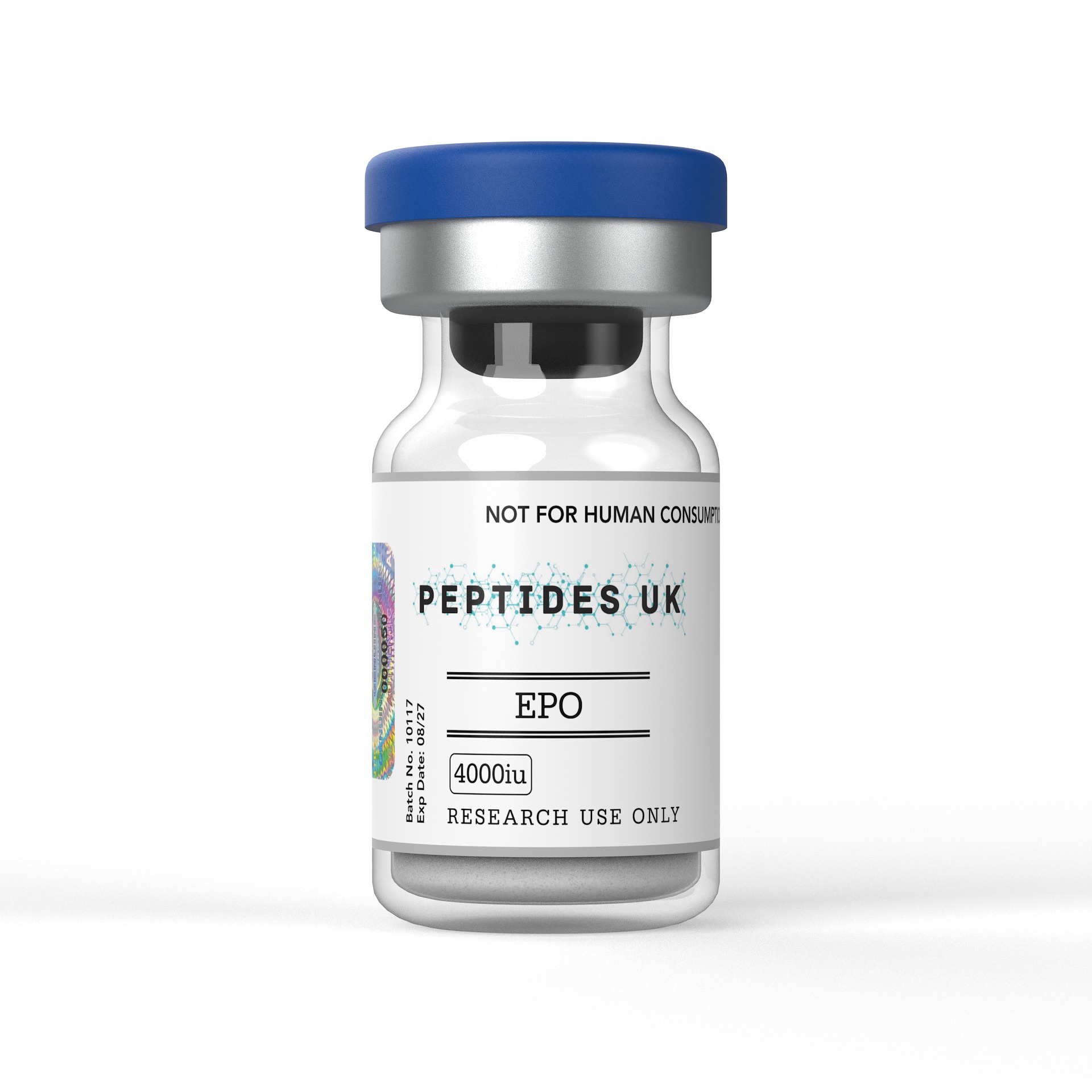
Buy EPO 4000iu in UAE – In Stock & Ready to Ship
EPO (Erythropoietin) is a widely researched compound known for its role in red blood cell production and haematopoietic regulation studies. Each batch is independently verified at ≥99% purity and comes with a full Certificate of Analysis (COA) and HPLC testing documentation — giving UAE research teams the confidence they need when sourcing compounds for serious work.
For research use only. Not intended for human or veterinary use.

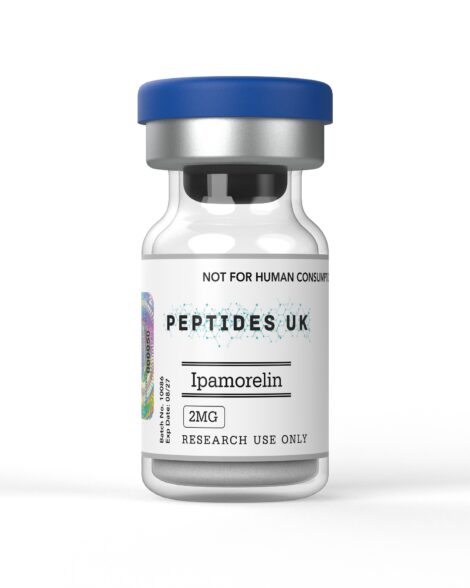
EPO (Erythropoietin) 4000IU is a recombinant human erythropoietin glycoprotein and one of the most important haematopoietic research compounds available to laboratories in the UAE — acting on erythropoietin receptors (EpoR) in bone marrow to stimulate red blood cell production, making it a critical research tool for studying erythropoiesis biology, haematopoietic stem cell differentiation, oxygen-sensing mechanisms, hypoxia signalling, and the HIF-EPO axis that regulates red blood cell homeostasis. Researchers and institutions across the UAE, Dubai, Abu Dhabi, and the wider GCC can source verified, research-grade EPO 4000IU with fast international dispatch and full batch documentation included.
✅ 4000IU Per Vial — Verified Biological Activity
✅ Batch-Specific Certificate of Analysis (CoA)
✅ Recombinant Human EPO | GMP Manufactured
✅ Fast International Dispatch to UAE & GCC
Erythropoietin (EPO) is a 165 amino acid glycoprotein hormone — produced primarily by peritubular fibroblasts in the renal cortex in response to hypoxic conditions — that serves as the principal regulator of red blood cell production in the body. Acting through the erythropoietin receptor (EpoR) on erythroid progenitor cells in bone marrow, EPO drives the survival, proliferation, and differentiation of these progenitor cells into mature erythrocytes — the oxygen-carrying red blood cells whose circulating numbers determine the blood’s oxygen-carrying capacity. The EPO-EpoR axis is one of the most precisely studied cytokine receptor systems in haematopoietic biology and represents a model system for understanding how growth factor signalling controls cell fate decisions in haematopoietic stem cell differentiation.
Recombinant human EPO — produced through recombinant DNA technology in mammalian cell expression systems to closely replicate the glycosylation profile of endogenous EPO — has been a cornerstone of erythropoiesis research since its development in the 1980s. The 4000IU research formulation provides a defined unit of biological activity — standardised against international reference preparations — that allows consistent, reproducible dosing in pre-clinical erythropoiesis research protocols. This standardisation by international units of biological activity rather than simple mass is critical in EPO research given that glycosylation variation between batches can influence receptor binding and biological potency independently of protein mass.
Beyond its classical role in erythropoiesis, EPO and EpoR have been identified in multiple non-haematopoietic tissues — including the brain, heart, endothelium, and skeletal muscle — where EpoR activation has been associated with cytoprotective, anti-apoptotic, and tissue-protective effects that are independent of red blood cell production. This non-haematopoietic EPO biology has become a significant and growing research area, expanding the research relevance of recombinant EPO beyond classical erythropoiesis studies into neuroprotection, cardioprotection, and ischaemic tissue injury research.
In laboratory settings, EPO research is centred on its EpoR agonism and the downstream consequences of erythropoietic and non-haematopoietic receptor activation. Research applications include:
Its central role in erythropoiesis and its expanding non-haematopoietic biology make EPO 4000IU a versatile and extensively validated research compound for studying red blood cell production, oxygen homeostasis, haematopoietic signalling, and tissue protection mechanisms across multiple pre-clinical research contexts. All applications are for research use only.
Erythropoietin has one of the most extensive research literatures of any recombinant protein — spanning haematopoietic biology, signal transduction, tissue protection, and oxygen homeostasis across decades of pre-clinical investigation.
Erythropoiesis and EpoR signalling research has comprehensively characterised the molecular mechanism through which EPO drives red blood cell production — with studies establishing the JAK2/STAT5 signalling pathway as the primary intracellular cascade linking EpoR activation to erythroid progenitor survival, proliferation, and differentiation. Research has mapped the precise stages of erythroid development at which EPO signalling is critical — from burst-forming unit erythroid (BFU-E) through colony-forming unit erythroid (CFU-E) to proerythroblast stages — providing detailed mechanistic understanding of how EPO controls erythropoiesis at the cellular and molecular level. This foundational research has made EpoR/JAK2/STAT5 signalling a model system for studying cytokine receptor-driven cell fate decisions in haematopoietic biology.
HIF-EPO axis research has characterised how renal oxygen sensing drives EPO gene expression — with studies establishing that hypoxia-inducible factor (HIF) transcription factors, stabilised under low oxygen conditions by inhibition of prolyl hydroxylase domain enzymes, drive EPO gene transcription in renal peritubular cells as the primary physiological response to hypoxaemia. This research has provided fundamental insights into how organisms sense and respond to oxygen deficiency at the molecular level, and has positioned the HIF-EPO axis as a central target in anaemia biology and oxygen homeostasis research.
Neuroprotection research has identified EPO and EpoR signalling in the central nervous system as a significant non-haematopoietic research area — with pre-clinical studies documenting protective effects against ischaemic neuronal injury, reduced apoptotic neuronal death markers, and improved functional outcomes in stroke and brain injury models associated with EPO-driven anti-apoptotic signalling through PI3K/Akt and MAPK/ERK pathways. These neuroprotective findings have generated substantial research interest in EPO as a tool for studying endogenous tissue protection mechanisms in neurological injury models.
Cardioprotection research has similarly characterised EPO’s effects in cardiac ischaemia models — with studies documenting reduced cardiomyocyte death, improved cardiac function parameters, and activation of cardioprotective signalling cascades following EPO administration in ischaemia-reperfusion injury pre-clinical models. As with neuroprotection, these cardioprotective effects are attributed to direct cardiac EpoR engagement and downstream anti-apoptotic signalling rather than haematopoietic effects — establishing a clear non-haematopoietic cardioprotective biology for EPO that has expanded its pre-clinical research relevance.
Anti-inflammatory research has examined EPO’s effects on inflammatory cytokine production and NF-kB signalling — with studies documenting reduced pro-inflammatory cytokine expression and attenuation of inflammatory pathway activation in multiple tissue models. These anti-inflammatory properties have been linked to EpoR activation in immune and endothelial cells and have contributed to the broader understanding of EPO as a pleiotropic cytokine with biological roles extending well beyond erythropoiesis.
| Compound | Type | Primary Target | Erythropoietic Effect | Non-Haematopoietic Biology | Research Profile |
|---|---|---|---|---|---|
| EPO (rhEPO) | Recombinant glycoprotein | EpoR — JAK2/STAT5 | Strong — direct | Neuroprotection, cardioprotection | Extensively studied |
| Darbepoetin Alpha | Hyperglycosylated EPO analogue | EpoR | Strong — extended half-life | Similar to EPO | Well-documented |
| CERA (Mircera) | PEGylated EPO | EpoR | Sustained — continuous stimulation | Under investigation | Well-documented |
| SCF (Stem Cell Factor) | Haematopoietic cytokine | c-Kit receptor | Synergistic with EPO | Mast cell, melanocyte biology | Well-documented |
| TPO (Thrombopoietin) | Haematopoietic cytokine | c-Mpl receptor | Platelet lineage | Haematopoietic stem cell support | Well-documented |
| G-CSF | Haematopoietic cytokine | G-CSF receptor | Neutrophil lineage | Neuroprotective research | Extensively studied |
| HIF Prolyl Hydroxylase Inhibitors | Small molecules | PHD enzymes — HIF stabilisation | Indirect via HIF-EPO axis | Broad HIF biology | Growing |
| Parameter | Detail |
|---|---|
| Type | Recombinant Human Erythropoietin Glycoprotein |
| Biological Activity | 4000 IU per vial |
| Activity Standard | Verified against international reference preparation |
| Receptor Target | EpoR (Erythropoietin Receptor) — JAK2/STAT5 signalling |
| Primary Mechanism | Erythroid progenitor survival, proliferation and differentiation |
| Expression System | Recombinant mammalian cell expression |
| Verification | Biological activity assay, SDS-PAGE, HPLC |
| Form | Lyophilised Powder |
| Solubility | Sterile water or suitable laboratory buffer |
| Storage | 2–8°C (refrigerated), protected from light |
| Intended Use | Research use only |
Every order dispatched to the UAE and GCC includes:
Yes. We supply research-grade recombinant human EPO 4000IU with international dispatch to the UAE, Dubai, Abu Dhabi, Sharjah and across the GCC. All orders include full batch documentation and biological activity verification. This compound is supplied strictly for laboratory research use only.
IU stands for International Unit — a standardised measure of biological activity defined against an internationally agreed reference preparation rather than a simple measure of protein mass. EPO is quantified in IU rather than micrograms because its biological potency is influenced by its glycosylation profile — the pattern of sugar chains attached to the protein — which can vary between production batches and significantly affects receptor binding affinity and in vivo half-life independently of the protein mass present. By standardising against biological activity rather than mass, IU-based dosing ensures consistent and reproducible erythropoietic stimulation across research protocols regardless of minor glycosylation variation between batches — making IU the scientifically appropriate unit for EPO research applications.
JAK2 (Janus Kinase 2) and STAT5 (Signal Transducer and Activator of Transcription 5) form the primary intracellular signalling cascade activated by EpoR engagement. When EPO binds EpoR, receptor dimerisation activates associated JAK2 molecules which phosphorylate STAT5 — driving STAT5 nuclear translocation and transcriptional activation of genes governing erythroid progenitor survival, proliferation, and differentiation into mature red blood cells. The JAK2/STAT5 pathway is one of the most studied cytokine receptor signalling systems in haematopoietic biology — serving as the molecular mechanism connecting EPO receptor activation to the cellular outcomes of erythropoiesis. Mutations causing constitutive JAK2 activation are associated with myeloproliferative disorders, further cementing JAK2/STAT5 as a central axis in haematopoietic disease biology research.
The HIF-EPO axis is the oxygen-sensing system through which the body regulates red blood cell production in response to tissue hypoxia. Under normal oxygen conditions, hypoxia-inducible factor (HIF) transcription factors are continuously degraded by prolyl hydroxylase domain (PHD) enzymes. When oxygen falls, PHD activity is inhibited, HIF stabilises and translocates to the nucleus, and drives transcription of EPO in renal peritubular cells — triggering increased red blood cell production to restore oxygen delivery. This elegant oxygen-sensing feedback system is one of the most fundamental regulatory axes in human physiology and has been a major focus of research into anaemia, altitude adaptation, ischaemic biology, and oxygen homeostasis. The 2019 Nobel Prize in Physiology or Medicine was awarded for the discovery of this HIF oxygen-sensing mechanism, underscoring its scientific significance.
Non-haematopoietic EPO biology has become a major research area following the discovery of EpoR expression in multiple tissues beyond bone marrow. Neuroprotection research has documented EPO-associated reductions in neuronal apoptosis and improved outcomes in ischaemic brain injury pre-clinical models — attributed to direct CNS EpoR activation and PI3K/Akt anti-apoptotic signalling. Cardioprotection research has similarly characterised EPO’s protective effects in cardiac ischaemia-reperfusion models through direct cardiac EpoR engagement. Endothelial biology research has examined EPO-driven angiogenesis and vascular repair mechanisms. Anti-inflammatory research has documented EPO’s effects on cytokine production and NF-kB pathway activation. Collectively, this non-haematopoietic research body has established EPO as a pleiotropic cytoprotective protein with biological relevance well beyond its classical erythropoietic role.
Recombinant human EPO (rhEPO) is produced in mammalian cell expression systems — typically Chinese Hamster Ovary (CHO) cells — using recombinant DNA technology to produce a protein closely matching the amino acid sequence and glycosylation profile of endogenous renal EPO. Minor differences in glycosylation between recombinant and endogenous EPO can influence circulating half-life and specific biological activity, but rhEPO binds EpoR and activates downstream signalling with comparable potency to endogenous EPO in research models. The availability of rhEPO in defined IU formulations — standardised against international reference preparations — provides researchers with a consistent, reproducible erythropoietic stimulus that can be precisely dosed and compared across experimental protocols in a way that endogenous EPO measurement and manipulation cannot replicate.
Allow the vial to reach room temperature before opening. Reconstitute with sterile water for injection or appropriate laboratory buffer as specified in the accompanying reconstitution protocol. Add diluent slowly down the vial wall and swirl gently — do not shake, as EPO is sensitive to mechanical agitation that can cause protein aggregation and loss of biological activity. Prepare working solutions at your protocol’s required concentration. Store reconstituted EPO at 2–8°C and use within the timeframe specified in the reconstitution protocol. Avoid freeze-thaw cycles of the reconstituted solution.
Orders are dispatched promptly via tracked international courier with appropriate cold-chain packaging to maintain protein stability throughout transit. Delivery to the UAE typically takes 3–5 working days.
EPO 4000IU is supplied exclusively for legitimate scientific research conducted within licensed laboratory environments. This product is not intended for human consumption, self-administration, or any therapeutic or veterinary application. It must be handled solely by qualified researchers in compliance with applicable UAE regulations and institutional ethics guidelines. By purchasing, you confirm this compound will be used exclusively for approved in vitro or pre-clinical research purposes.
WhatsApp us
Receive News
