
PRODUCTS SOLD ON PEPTIDESLABUAE.COM ARE FOR RESEARCH PURPOSES ONLY AND ARE NOT FOR HUMAN OR VETERINARY USE.
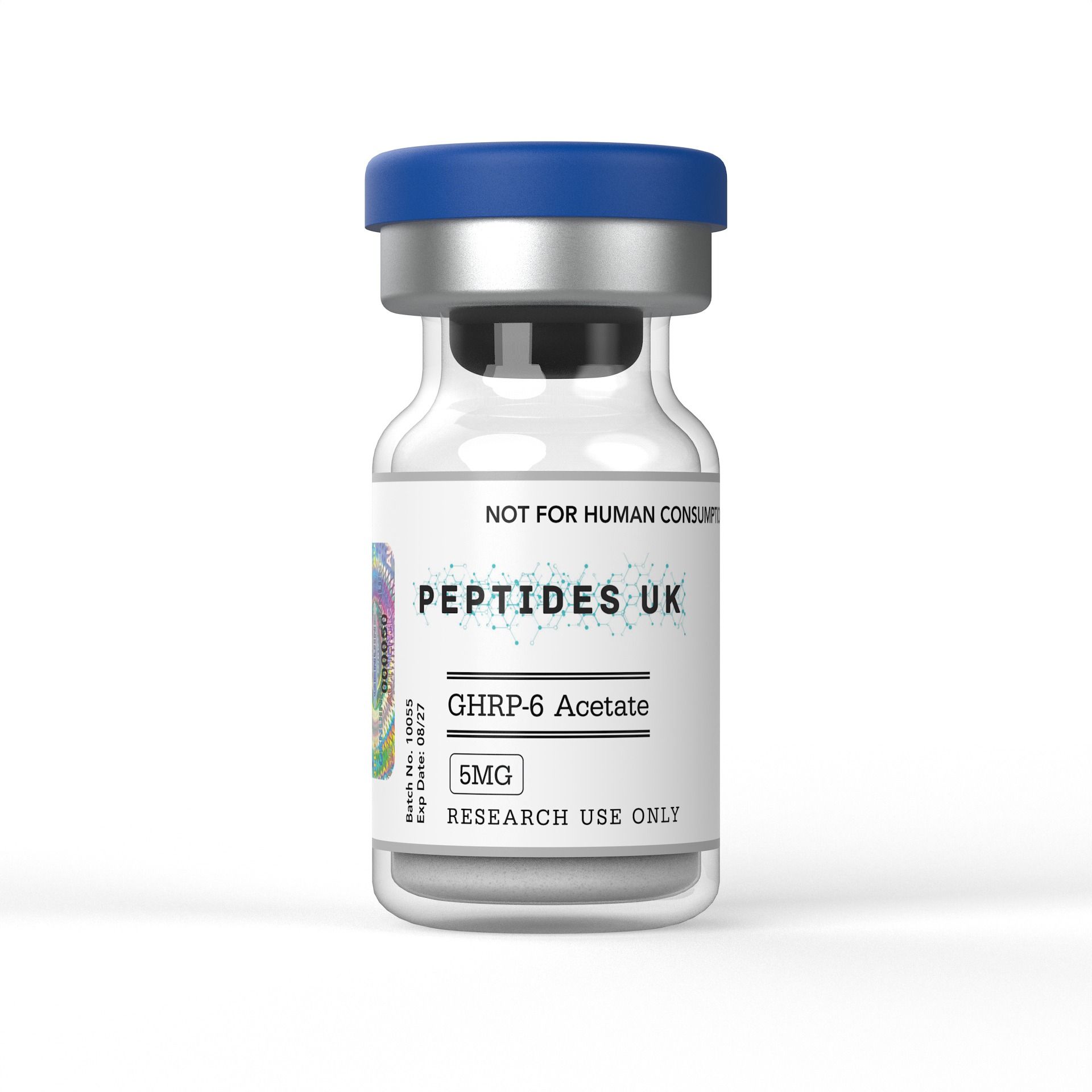
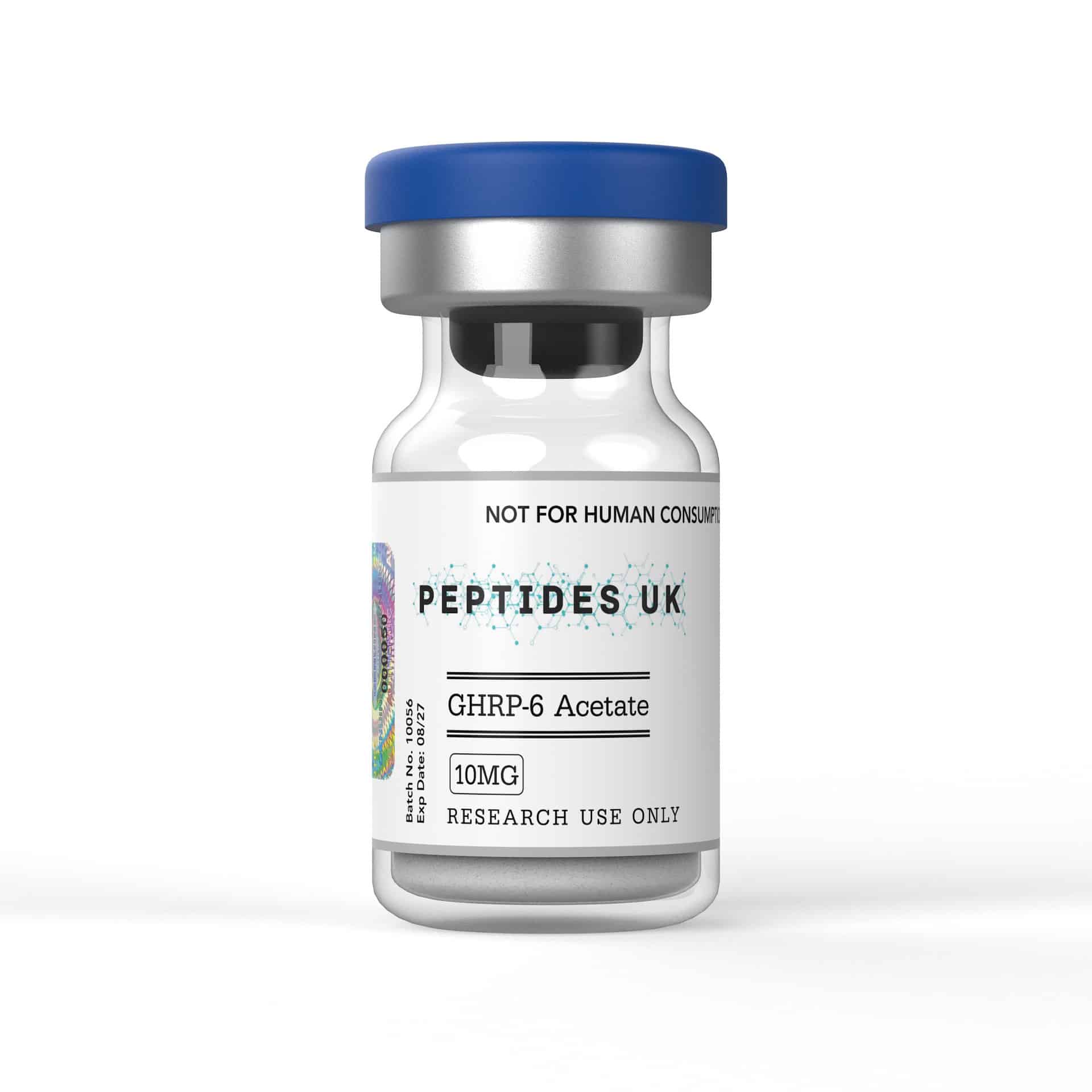
£22.99 – £37.99Price range: £22.99 through £37.99
Buy GHRP-6 Peptide in UAE – In Stock & Ready to Ship
GHRP-6 (Growth Hormone Releasing Peptide-6) is a widely researched peptide known for its role in growth hormone secretion and ghrelin receptor studies. Each batch is independently verified at ≥99% purity and comes with a full Certificate of Analysis (COA) and HPLC testing documentation — giving UAE research teams the confidence they need when sourcing peptides for serious work.
For research use only. Not intended for human or veterinary use.

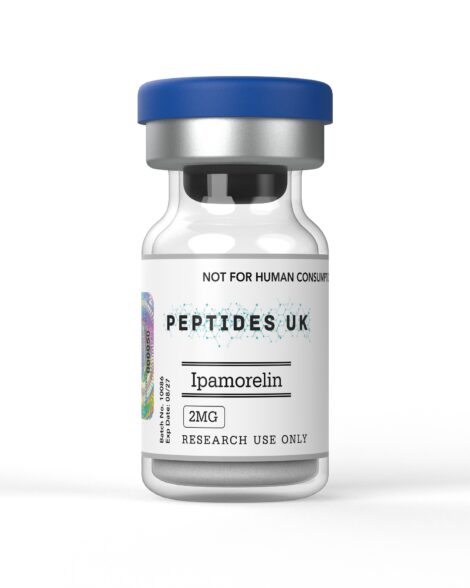
GHRP-6 (Growth Hormone Releasing Peptide-6) is a synthetic hexapeptide and one of the most extensively researched ghrelin receptor agonists available to laboratories in the UAE — acting on the growth hormone secretagogue receptor (GHS-R1a) to stimulate pulsatile growth hormone release from the anterior pituitary, making it a key research tool for studying GH axis biology, ghrelin receptor pharmacology, metabolic regulation, and tissue repair mechanisms. Researchers and institutions across the UAE, Dubai, Abu Dhabi, and the wider GCC can source verified, research-grade GHRP-6 with fast international dispatch and full batch documentation included.
✅ ≥99% Purity — HPLC & Mass Spectrometry Verified
✅ Batch-Specific Certificate of Analysis (CoA)
✅ Sterile Lyophilised Powder | GMP Manufactured
✅ Fast International Dispatch to UAE & GCC
GHRP-6 is a synthetic hexapeptide — His-D-Trp-Ala-Trp-D-Phe-Lys-NH2 — belonging to the growth hormone releasing peptide family, a class of synthetic compounds developed to study and stimulate the growth hormone axis through direct pituitary and hypothalamic receptor engagement. First characterised in the 1980s as part of landmark research into growth hormone secretagogues, GHRP-6 was among the earliest compounds to reveal the existence of a dedicated ghrelin receptor pathway distinct from the growth hormone releasing hormone (GHRH) axis — research that ultimately led to the discovery of ghrelin as the endogenous ligand for the GHS-R1a receptor.
GHRP-6 acts as a potent agonist at the growth hormone secretagogue receptor type 1a (GHS-R1a) — a G-protein coupled receptor expressed in the anterior pituitary gland, hypothalamic arcuate nucleus, and peripheral tissues including the stomach, heart, and adipose tissue. At the pituitary level, GHS-R1a activation by GHRP-6 stimulates growth hormone release through a mechanism distinct from and synergistic with GHRH — acting via the phospholipase C/IP3 calcium mobilisation pathway rather than the cAMP pathway used by GHRH. This dual-pathway GH release stimulation means the two compounds produce synergistic GH release when combined, a property that has been extensively exploited in GH axis research protocols.
Beyond its pituitary GH-releasing effects, GHRP-6’s agonism at peripheral GHS-R1a receptors has made it a research tool of broad interest — with documented effects on appetite regulation through ghrelin pathway activation, cardioprotective mechanisms through cardiac GHS-R1a engagement, and cytoprotective and anti-inflammatory actions in peripheral tissues. These wide-ranging biological effects reflect the broad physiological role of the ghrelin/GHS-R1a system beyond simple GH regulation, and make GHRP-6 a research compound relevant to multiple areas of metabolic, cardiovascular, and tissue biology research.
In laboratory settings, GHRP-6 research is centred on its GHS-R1a agonism and the downstream consequences of growth hormone axis stimulation and ghrelin pathway activation. Research applications include:
Its well-characterised GHS-R1a pharmacology and extensively documented GH-releasing mechanism make GHRP-6 the reference compound for growth hormone secretagogue research — providing a validated research tool for studying GH axis biology, ghrelin receptor pharmacology, and the downstream metabolic and tissue effects of GH axis activation. All applications are for research use only.
GHRP-6 is one of the most extensively studied synthetic growth hormone secretagogues in the scientific literature, with research spanning GH axis biology, cardioprotection, tissue repair, and ghrelin receptor pharmacology.
Growth hormone axis research has comprehensively characterised GHRP-6’s GH-releasing mechanism — documenting dose-dependent pulsatile GH release from anterior pituitary somatotroph cells via GHS-R1a activation, with studies establishing the synergistic amplification of GH release when GHRP-6 is combined with GHRH. This synergism has been documented across multiple pre-clinical models and has been central to research designs examining GH axis physiology and pharmacology. Studies have also characterised the downstream IGF-1 axis response to GHRP-6-stimulated GH release, providing important insights into the GH-IGF-1 signalling cascade.
Cardioprotection research has identified GHRP-6 as a compound with significant cardiac research interest beyond its GH-releasing effects — with studies documenting protection against ischaemia-reperfusion injury in cardiac pre-clinical models. Research has characterised anti-apoptotic signalling through PI3K/Akt pathway activation, reduced cardiomyocyte death markers, and improved functional parameters following cardiac injury — effects attributed to direct cardiac GHS-R1a engagement rather than GH-mediated mechanisms, highlighting the GH-independent biological relevance of GHS-R1a agonism in cardiac tissue.
Cytoprotective and anti-inflammatory research has examined GHRP-6’s effects on NF-kB signalling and inflammatory cytokine production — with studies documenting reduced pro-inflammatory cytokine expression and attenuation of inflammatory pathway activation across multiple tissue models. These anti-inflammatory properties have generated research interest in GHRP-6 as a tool for studying GHS-R1a-mediated cytoprotection in inflammatory injury models, with applications across hepatic, cardiac, and CNS injury research contexts.
Tissue repair and wound healing research has characterised GHRP-6’s effects on fibroblast activity, collagen synthesis, and wound closure parameters in pre-clinical models — with studies reporting accelerated wound closure and improved tissue architecture associated with GH axis activation and direct growth factor pathway engagement.
Appetite and metabolic research has examined GHRP-6’s effects through the ghrelin pathway — documenting orexigenic effects consistent with GHS-R1a activation, alongside metabolic effects on lipid utilisation and glucose homeostasis associated with GH axis activation. These properties make GHRP-6 a useful research tool for studying the intersection of GH biology and metabolic regulation in pre-clinical models.
| Compound | Type | Receptor | GH Release | Key Research Focus | Research Profile |
|---|---|---|---|---|---|
| GHRP-6 | Synthetic hexapeptide | GHS-R1a (broad) | Strong — orexigenic | GH axis, cardioprotection, tissue repair | Extensively studied |
| GHRP-2 | Synthetic hexapeptide | GHS-R1a (selective) | Very strong | GH axis, potency comparison | Extensively studied |
| Ipamorelin | Synthetic pentapeptide | GHS-R1a (highly selective) | Moderate — clean profile | GH selectivity, fewer off-target effects | Well-documented |
| Hexarelin | Synthetic hexapeptide | GHS-R1a + CD36 | Very strong | GH axis, cardiac biology | Well-documented |
| CJC-1295 | GHRH analogue | GHRH receptor | Sustained GH elevation | GH axis, GHRH pharmacology | Well-documented |
| MK-677 (Ibutamoren) | Non-peptide GHS | GHS-R1a (oral) | Strong — sustained | Oral GHS biology, GH axis | Well-documented |
| Native Ghrelin | Endogenous peptide | GHS-R1a | Moderate | Reference ghrelin biology | Extensively studied |
| Parameter | Detail |
|---|---|
| Type | Synthetic Growth Hormone Releasing Hexapeptide |
| Sequence | His-D-Trp-Ala-Trp-D-Phe-Lys-NH2 |
| Molecular Weight | 873.0 Da |
| Receptor Target | GHS-R1a (Growth Hormone Secretagogue Receptor 1a) |
| Primary Mechanism | Pulsatile GH release, ghrelin pathway agonism |
| Key Advantage | Dual GH-releasing pathway — synergistic with GHRH |
| Purity | ≥99% |
| Verification | HPLC & Mass Spectrometry |
| Form | Lyophilised Powder |
| Solubility | Sterile water or suitable laboratory buffer |
| Storage | -20°C, protected from light and moisture |
| Intended Use | Research use only |
Every order dispatched to the UAE and GCC includes:
Yes. We supply research-grade GHRP-6 with international dispatch to the UAE, Dubai, Abu Dhabi, Sharjah and across the GCC. All orders include full batch documentation and are packaged to maintain peptide integrity throughout transit. This compound is supplied strictly for laboratory research use only.
The Growth Hormone Secretagogue Receptor type 1a (GHS-R1a) is a G-protein coupled receptor expressed in the anterior pituitary, hypothalamic arcuate nucleus, and multiple peripheral tissues including the heart, stomach, adipose tissue, and liver. It is the endogenous receptor for ghrelin and the primary target through which GHRP-6 exerts its biological effects. GHS-R1a’s wide tissue distribution means its activation produces effects beyond simple pituitary GH release — encompassing appetite regulation, metabolic signalling, cardioprotection, and cytoprotective mechanisms — making it a receptor of broad research interest across endocrinology, cardiovascular biology, and metabolic science.
GHRP-6 and GHRP-2 are both synthetic hexapeptide GHS-R1a agonists but differ in potency and off-target receptor engagement. GHRP-2 is generally a more potent GH releaser on a molar basis with a cleaner selectivity profile. GHRP-6 has a broader engagement profile that includes the appetite-stimulating and cytoprotective effects of ghrelin pathway activation beyond pure GH release. GHRP-2 is preferred when isolated GH axis stimulation is the research goal, while GHRP-6 is better suited when studying the full breadth of ghrelin receptor biology — including appetite regulation, cardioprotection, and anti-inflammatory mechanisms.
GHRP-6 and GHRH stimulate GH release through completely distinct intracellular pathways — GHRH through adenylyl cyclase/cAMP and GHRP-6 through phospholipase C/IP3-mediated calcium mobilisation. Because these pathways converge on GH secretion through different mechanisms, co-administration produces synergistic GH release significantly greater than either compound alone. This synergy has been consistently documented across multiple pre-clinical models and is central to research protocols examining GH axis stimulation and pharmacology.
Cardioprotection has emerged as one of the most significant non-GH research areas for GHRP-6 — with pre-clinical studies documenting protective effects in ischaemia-reperfusion injury models through direct cardiac GHS-R1a engagement. Research has characterised PI3K/Akt survival signalling pathway activation in cardiomyocytes, reduced apoptotic cell death markers, and improved cardiac functional parameters in injury models. Importantly, these cardioprotective effects have been documented independently of GH release — occurring through direct GHS-R1a agonism in cardiac tissue — establishing GHRP-6 as a research tool relevant to cardiac biology beyond its role in GH axis research.
Ipamorelin is highly selective for GHS-R1a with minimal engagement of other receptors — producing GH release without the appetite stimulation, cortisol elevation, or prolactin effects associated with less selective GHS compounds. GHRP-6 has a broader engagement profile covering the full breadth of ghrelin pathway biology. Ipamorelin is preferred when isolated GHS-R1a/GH axis stimulation is needed without confounding off-target effects, while GHRP-6 is the better research tool when studying appetite regulation, cardioprotective mechanisms, and anti-inflammatory biology alongside GH axis effects.
Allow the vial to reach room temperature before opening. Add sterile water or appropriate laboratory buffer slowly down the vial wall and swirl gently without shaking. Prepare at your protocol’s required concentration. Aliquot and store at -80°C to minimise freeze-thaw degradation and maintain peptide integrity between experimental sessions. Avoid repeated freeze-thaw cycles and exposure to elevated temperatures.
Orders are dispatched promptly via tracked international courier. Delivery to the UAE typically takes 3–5 working days, with packaging designed to maintain peptide stability and integrity throughout transit.
GHRP-6 is supplied exclusively for legitimate scientific research conducted within licensed laboratory environments. This product is not intended for human consumption, self-administration, or any therapeutic or veterinary application. It must be handled solely by qualified researchers in compliance with applicable UAE regulations and institutional ethics guidelines. By purchasing, you confirm this compound will be used exclusively for approved in vitro or pre-clinical research purposes.
WhatsApp us
Receive News
