
PRODUCTS SOLD ON PEPTIDESLABUAE.COM ARE FOR RESEARCH PURPOSES ONLY AND ARE NOT FOR HUMAN OR VETERINARY USE.
£44.99
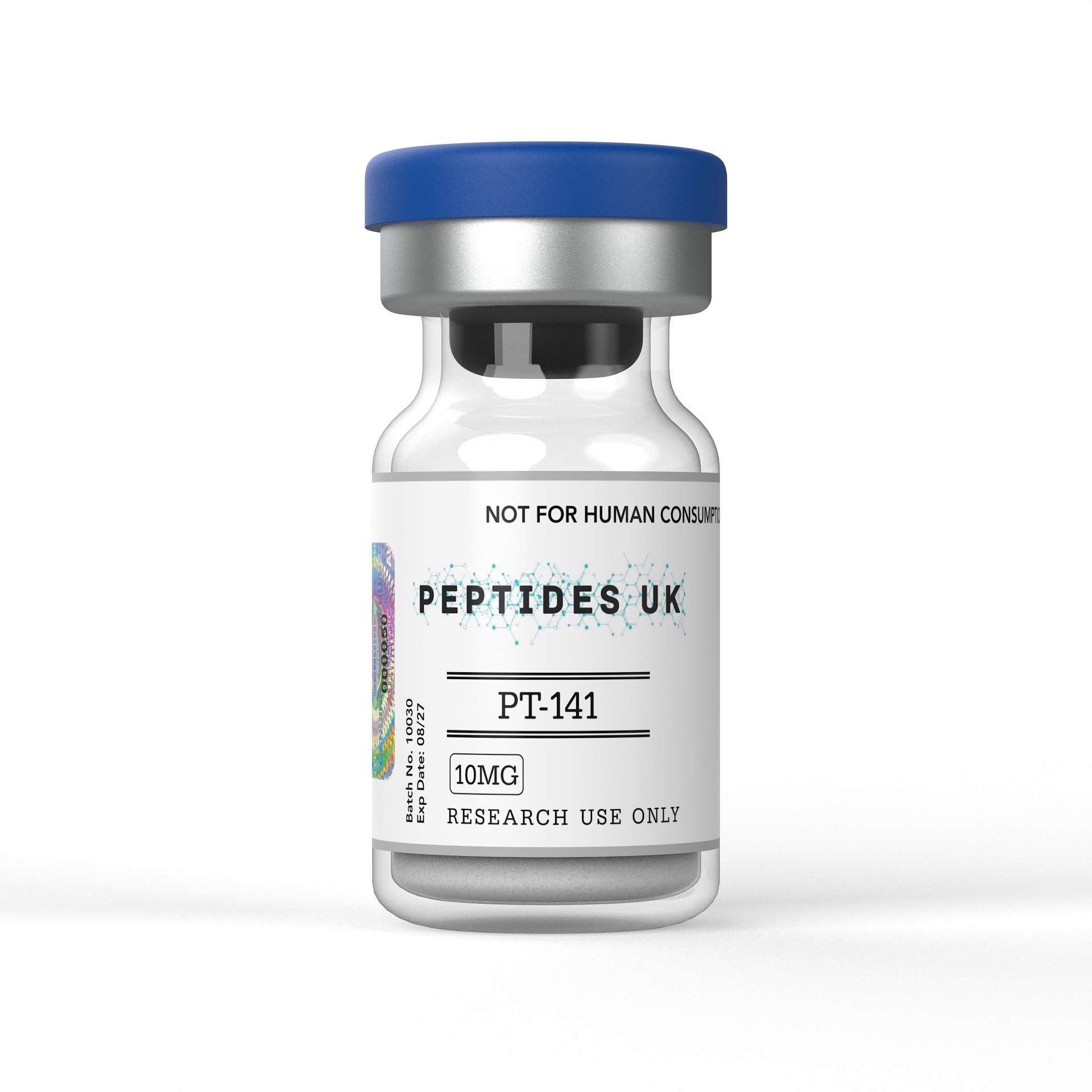
Buy PT-141 Peptide in UAE – In Stock & Ready to Ship
PT-141 (Bremelanotide) is a widely researched peptide known for its role in melanocortin receptor activity and sexual function studies. Each batch is independently verified at ≥99% purity and comes with a full Certificate of Analysis (COA) and HPLC testing documentation — giving UAE research teams the confidence they need when sourcing peptides for serious work.
For research use only. Not intended for human or veterinary use.

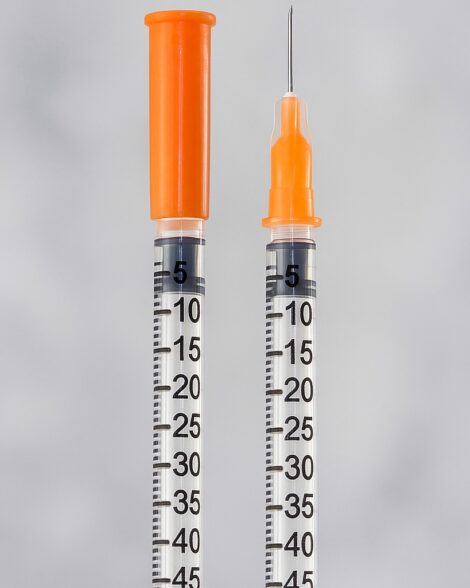
PT-141 (Bremelanotide) is one of the most specifically studied melanocortin receptor agonist peptides in sexual behaviour and central nervous system research available to laboratories in the UAE — a cyclic heptapeptide analogue of alpha-MSH that activates melanocortin receptors MC3R and MC4R in the hypothalamus and limbic system to modulate sexual arousal pathways, motivational circuits, and autonomic nervous system responses through a centrally acting mechanism entirely distinct from peripheral vascular approaches, making it the most important research tool for studying melanocortin system contributions to sexual behaviour neuroscience, hypothalamic reward circuitry, and MC3R/MC4R pharmacology. Researchers and institutions across the UAE, Dubai, Abu Dhabi and the wider GCC can source verified, research-grade PT-141 with fast international dispatch and full batch documentation included.
✅ ≥99% Purity — HPLC & Mass Spectrometry Verified
✅ Batch-Specific Certificate of Analysis (CoA)
✅ Sterile Lyophilised Powder | GMP Manufactured
✅ Fast International Dispatch to UAE & GCC
PT-141, also known as Bremelanotide, is a synthetic cyclic heptapeptide — a seven amino acid cyclic sequence — derived from Melanotan II through removal of the C-terminal amide group, producing a compound with a distinct pharmacological profile focused on MC3R and MC4R activation without the strong melanogenic (skin darkening) and emetic effects associated with Melanotan II. PT-141 is structurally related to alpha-Melanocyte Stimulating Hormone (α-MSH) — a naturally occurring melanocortin peptide derived from pro-opiomelanocortin (POMC) — but modified to enhance metabolic stability and selectively engage the central melanocortin receptor subtypes most relevant to hypothalamic and limbic system function.
PT-141 acts through the melanocortin receptor family — a class of five G-protein coupled receptors (MC1R through MC5R) that respond to melanocortin peptides including α-MSH, β-MSH, γ-MSH, and ACTH. PT-141’s primary research-relevant receptor targets are MC3R and MC4R — both expressed prominently in the hypothalamus, limbic system, and other central nervous system regions involved in energy homeostasis, reward processing, autonomic regulation, and sexual behaviour circuits. MC4R in particular is expressed at high density in hypothalamic nuclei including the paraventricular nucleus, medial preoptic area, and ventromedial hypothalamus — brain regions with well-established roles in sexual behaviour regulation and motivational processing.
The mechanistic significance of PT-141’s central melanocortin receptor activation is that it engages sexual arousal pathways at the level of hypothalamic and limbic neural circuits — producing downstream autonomic responses through central nervous system signalling rather than through peripheral vascular mechanisms. This centrally acting profile distinguishes PT-141 mechanistically from PDE5 inhibitors and other peripherally acting compounds and has made it a uniquely valuable research tool for studying how central melanocortin signalling contributes to sexual behaviour neuroscience and hypothalamic motivational circuit biology.
In laboratory settings, PT-141 research is centred on its MC3R and MC4R activation in central nervous system regions and the downstream behavioural, autonomic, and neuroendocrine consequences in pre-clinical models. Research applications include:
Its selective central MC3R/MC4R activation profile — without the strong melanogenic effects of Melanotan II — makes PT-141 a more pharmacologically focused research tool for studying hypothalamic melanocortin receptor biology and central sexual behaviour circuit neuroscience. All applications are for research use only.
PT-141 has developed a well-characterised and distinctive research profile within melanocortin receptor pharmacology and central sexual behaviour neuroscience:
MC4R hypothalamic research has firmly established the paraventricular nucleus and medial preoptic area as primary sites of PT-141’s central activity — with studies characterising high MC4R expression density in these regions and documenting that melanocortin receptor activation in these hypothalamic nuclei produces downstream autonomic and behavioural responses consistent with sexual arousal circuit engagement. These findings established the neuroanatomical basis for PT-141’s mechanism and positioned hypothalamic MC4R as the primary pharmacological target mediating its central effects.
Sexual behaviour neuroscience research has used PT-141 in pre-clinical models to examine how central melanocortin receptor activation influences appetitive and consummatory components of sexual behaviour — with studies in both male and female rodent models documenting increased sexual motivation and solicitation behaviours following PT-141 administration. Research has characterised the involvement of dopaminergic reward circuits in mediating these behavioural effects — with studies examining how MC4R activation in the hypothalamus interfaces with mesolimbic dopamine signalling to produce motivational components of sexual behaviour.
Comparative mechanism research has examined PT-141’s centrally acting mechanism against peripherally acting compounds — establishing that PT-141 produces its effects through central nervous system MC3R/MC4R activation rather than peripheral vascular mechanisms, and that this central pathway can produce arousal responses independently of peripheral haemodynamic changes. This mechanistic distinction has made PT-141 a valuable research tool for dissecting central vs peripheral contributions to sexual arousal biology.
Melanocortin receptor subtype selectivity research has characterised PT-141’s binding profile across the melanocortin receptor family — with studies documenting its preferential engagement of MC3R and MC4R over MC1R and MC5R and examining how this subtype selectivity profile compares to Melanotan II, α-MSH, and other melanocortin peptides. These comparative pharmacology studies have contributed to the broader SAR literature on melanocortin receptor selectivity determinants.
Clinical research has further advanced PT-141’s profile — with studies examining its pharmacokinetics, receptor engagement, and physiological responses in human subjects, including its development as Bremelanotide. These translational findings have provided important data connecting pre-clinical melanocortin receptor research to human reproductive and autonomic biology — generating significant research interest in the central melanocortin pathway as a target for studying sexual behaviour neuroscience.
Energy homeostasis research has examined PT-141’s effects on feeding behaviour and metabolic parameters through MC4R activation — reflecting MC4R’s well-established role in energy balance regulation alongside its sexual behaviour functions. Studies have explored how melanocortin peptides simultaneously regulate multiple hypothalamic functions through the same receptor system — providing insights into how the melanocortin system integrates multiple homeostatic and motivational functions within hypothalamic circuits.
| Compound | Type | Primary Receptors | Melanogenic | Central Activity | Research Profile |
|---|---|---|---|---|---|
| PT-141 (Bremelanotide) | Cyclic heptapeptide | MC3R + MC4R | Minimal | Strong — hypothalamic | Well-documented |
| Melanotan II | Cyclic heptapeptide | MC1R + MC3R + MC4R | Strong | Strong | Extensively studied |
| α-MSH | Endogenous tridecapeptide | MC1R-MC5R | Moderate | Moderate | Extensively studied |
| MTII | Cyclic melanocortin agonist | MC3R + MC4R | Strong | Strong | Well-documented |
| Setmelanotide | MC4R selective agonist | MC4R selective | Minimal | Moderate | Growing |
| Afamelanotide | α-MSH analogue | MC1R selective | Strong | Minimal | Well-documented |
| Parameter | Detail |
|---|---|
| Type | Synthetic Cyclic Heptapeptide |
| Also Known As | Bremelanotide, PT-141 |
| Derived From | Melanotan II — C-terminal modification |
| Primary Receptors | MC3R and MC4R |
| Receptor Family | Melanocortin receptor family (GPCRs) |
| Structure | Cyclic 7 amino acid peptide |
| Purity | ≥99% |
| Verification | HPLC & Mass Spectrometry |
| Form | Lyophilised Powder |
| Solubility | Sterile water or suitable laboratory buffer |
| Storage | -20°C, protected from light and moisture |
| Intended Use | Research use only |
Every order dispatched to the UAE and GCC includes:
Yes. We supply research-grade PT-141 with international dispatch to the UAE, Dubai, Abu Dhabi, Sharjah and across the GCC. All orders include full batch documentation and are packaged to maintain peptide integrity throughout transit. This compound is supplied strictly for laboratory research use only.
PT-141 and Melanotan II are structurally closely related cyclic heptapeptides derived from the same α-MSH template, but they differ in one key structural feature — PT-141 lacks the C-terminal amide group present in Melanotan II. This modification produces a distinct pharmacological profile: PT-141 has reduced MC1R activity compared to Melanotan II, resulting in substantially less melanogenic (skin darkening) effect and reduced nausea, while retaining strong MC3R and MC4R central activity. For research specifically focused on hypothalamic MC3R/MC4R biology and central sexual behaviour circuits without melanogenic confounds, PT-141 provides a cleaner pharmacological tool than Melanotan II.
MC3R and MC4R are G-protein coupled melanocortin receptors expressed prominently throughout the hypothalamus and limbic system. MC4R is particularly well characterised as a central regulator of energy homeostasis — with MC4R knockout models developing severe obesity — and as a mediator of sexual behaviour circuitry through its expression in the paraventricular nucleus and medial preoptic area. MC3R contributes to energy sensing and feeding regulation through its expression in hypothalamic and limbic regions. Research using PT-141 to activate both receptors simultaneously has provided insights into how the central melanocortin system simultaneously regulates multiple homeostatic and behavioural functions through shared hypothalamic circuitry.
PT-141 produces its effects through central nervous system MC3R/MC4R activation in hypothalamic and limbic regions — engaging sexual behaviour circuits at the level of neural motivation and autonomic regulation rather than through peripheral vascular or tissue-level mechanisms. Research has established that this central pathway can produce arousal-related autonomic responses independently of peripheral haemodynamic changes — providing a mechanistically distinct research model for studying how central hypothalamic signalling contributes to sexual behaviour biology. This central vs peripheral mechanism distinction has made PT-141 a valuable comparative research tool for dissecting the respective contributions of central neural circuits and peripheral physiology to sexual behaviour responses.
Studies have examined the interface between hypothalamic MC4R activation by PT-141 and mesolimbic dopamine signalling — characterising how melanocortin receptor activation in hypothalamic nuclei influences dopaminergic output to limbic reward areas including the nucleus accumbens. Research has proposed that MC4R-mediated activation of dopaminergic motivational circuits contributes to the appetitive behavioural components observed following PT-141 administration in pre-clinical models — connecting melanocortin receptor pharmacology to the broader reward neuroscience framework and positioning PT-141 as a research tool for studying hypothalamic-limbic circuit interactions in motivational behaviour biology.
Given MC4R’s well-established role as a central energy balance regulator — MC4R knockout produces severe obesity in pre-clinical models — research has examined PT-141’s effects on feeding behaviour and metabolic parameters alongside its sexual behaviour applications. Studies have explored how simultaneous MC3R and MC4R activation by melanocortin peptides influences appetite, energy expenditure, and metabolic rate — reflecting the melanocortin system’s function as a multi-purpose hypothalamic regulatory system that integrates energy status with motivational behaviour. These findings have contributed to the broader understanding of how MC4R signalling simultaneously regulates multiple homeostatic functions.
Allow the vial to reach room temperature before opening. Add sterile water or appropriate laboratory buffer slowly down the vial wall and swirl gently without shaking. PT-141’s cyclic structure provides improved solution stability compared to linear peptides of equivalent length — prepare at your protocol’s required concentration. Aliquot and store at -80°C to minimise freeze-thaw degradation and maintain peptide integrity between experimental sessions.
Orders are dispatched promptly via tracked international courier. Delivery to the UAE typically takes 3–5 working days, with packaging designed to maintain peptide stability and integrity throughout transit.
PT-141 (Bremelanotide) is supplied exclusively for legitimate scientific research conducted within licensed laboratory environments. This product is not intended for human consumption, self-administration, or any therapeutic or veterinary application. It must be handled solely by qualified researchers in compliance with applicable UAE regulations and institutional ethics guidelines. By purchasing, you confirm this compound will be used exclusively for approved in vitro or pre-clinical research purposes.
WhatsApp us
Receive News
